First Source To Open
This block uses Grass on the Ancient Plain, Sent as Farewell, Bai Juyi, Tang poem as the anchor, with "離離原上草,一歲一枯榮。野火燒不盡,春風吹又生。" kept in front of the explanation.
Plain Lines Still Have Structure: The grass poem is a good entry because its first lines look easy. Grass withers and flourishes year by year; wild fire cannot exhaust it; spring wind brings it back. The recalled material shows why plainness works: repetition, season, destruction, and return make the farewell setting memorable without heavy explanation.
Long Narrative Changes The Scale: Song of Everlasting Sorrow gives the guide a different Bai Juyi. The poem begins with imperial desire and beauty, then moves into loss, memory, and afterlife imagination. That recalled material prevents the guide from presenting Bai Juyi only through short transparent poems. He can also build long narrative feeling through accessible but carefully staged language.
Listening Becomes Recognition: Pipa Xing adds a social and acoustic dimension. The famous line about both being fallen people at the edge of the world comes after listening, performance, and narrated displacement. The guide should not quote sympathy alone. It should show how music, story, and shared exile make recognition possible in the poem.
Readability Is Not Simplicity Of Thought: The recalled materials all read clearly, but they do not do the same thing. Grass works through seasonal recurrence; the long song works through narrative expansion; Pipa Xing works through listening and shared displacement. A source guide should teach readers to ask what kind of clarity is operating before they call Bai Juyi simple.
How The Work Changes The Author Label
How English Readers Should Proceed: Begin with the surface meaning, then ask what makes it memorable: repeated season, narrative turn, or social scene. Compare translations for whether they keep the poem's plainness without flattening tone. The best English version should be readable, but it should still show where the Chinese poem changes scale or emotional direction.
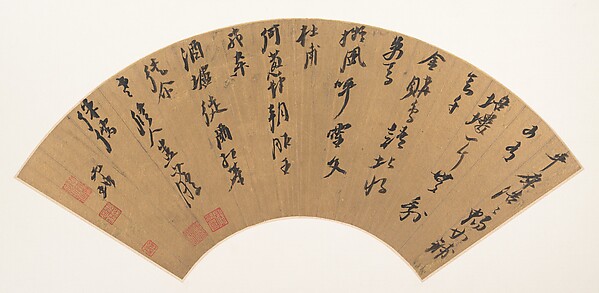
Image And Next Reading: The poem surface image fits because Bai Juyi reading depends on transmitted text, public readability, and performance memory. It does not depict the grassland, palace, or pipa scene. The next step is to compare a short Bai Juyi poem with a long narrative poem to see how plainness behaves at different lengths.
Plainness Has Different Scales: The recalled materials make Bai Juyi's plainness more varied than a style label. Grass is memorable through recurrence and return. Song of Everlasting Sorrow builds a long narrative of desire, rule, loss, and memory. Pipa Xing makes recognition happen through listening and shared displacement. The guide keeps those scales separate so readability does not become simplification.
Use Published Text Pages As Checks: The revised internal path sends readers to published Bai Juyi and poetry-context pages instead of an unrepaired workflow page. That matters because the reader can verify this guide by opening the grass poem, then comparing how short lyric clarity differs from long narrative clarity. The next step stays inside pages that already carry source text, pinyin, translation, and review evidence.
Keep the term set visible here: li li, ku rong, ye huo. The reading changes if one of these terms is translated too smoothly.
The reading should end in one practical move: Compare the grass poem with Song of Everlasting Sorrow to see short clarity and long narrative side by side.