First Source To Open
This block uses Xunzi, Encouraging Learning as the anchor, with "青,取之於藍,而青於藍;冰,水為之,而寒於水。" kept in front of the explanation.
Learning Comes First: The Encouraging Learning chapter opens with the claim that learning must not stop. The dye and ice images then show transformation through process: blue comes from indigo yet becomes bluer, ice comes from water yet becomes colder. This recalled material changes the guide's entry point from doctrine to disciplined formation.
Names Are Public Tools: Correcting Names gives a second material anchor. Xunzi says names are established to point to realities and to distinguish sameness and difference. That source prevents the guide from treating Xunzi only as a moral psychologist. He is also concerned with language, public order, and the social function of stable distinctions.
Nature Needs The Larger Program: The nature debate is important, but it should not swallow the guide. Xunzi's claims about nature are tied to the need for learning, ritual, teachers, and deliberate effort. Reading the nature thesis without the learning and naming materials makes Xunzi look like a one-sentence opponent of Mencius rather than a systematic writer.
Ritual And Deliberate Effort: The recalled materials point toward a common pattern: people are shaped by disciplined practice and public forms. Ritual is not decoration in this frame. It is part of how raw tendencies are trained into reliable conduct. A source guide should therefore connect Xunzi's educational images with his concern for ordered names and institutions.
How The Work Changes The Author Label
How English Readers Should Proceed: Read one Xunzi essay section at a time. Mark the analogy, then ask what the analogy proves. Dye, ice, names, and nature are not interchangeable talking points. Each does a different kind of work. This habit keeps the page from becoming a school-label summary and lets Xunzi's prose argue in its own sequence.
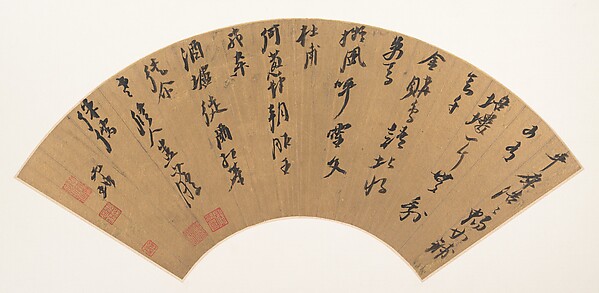
Image And Next Reading: The textual artwork is an illustrative fit because Xunzi reading depends on transmitted prose and disciplined explanation. It does not depict the dye, ice, or ritual scene. The best next step is to compare the ming-and-shi concept page with the learning theme, so the reader sees language and formation together.
Learning Is The Entry Point: The Xunzi guide begins with learning because the recalled opening chapter makes formation visible before any school contrast. Blue dye, ice, wood, and sharpening images show change through practice and tools. That matters for English readers who know Xunzi only as the opponent of Mencius. The source path begins with disciplined transformation, not with a debate label.
Names Connect Language To Order: Correcting Names gives the second check. Xunzi is not only making claims about individual nature; he is asking how public terms distinguish realities and guide conduct. The guide therefore links learning, ritual, names, and nature. This makes the page less template-like because its structure comes from Xunzi's own concerns rather than from a generic author overview.
Keep the term set visible here: xue, qing, lan. The reading changes if one of these terms is translated too smoothly.
The reading should end in one practical move: Compare Xunzi on names with an Analects naming page before using him as a simple opposite of Mencius.