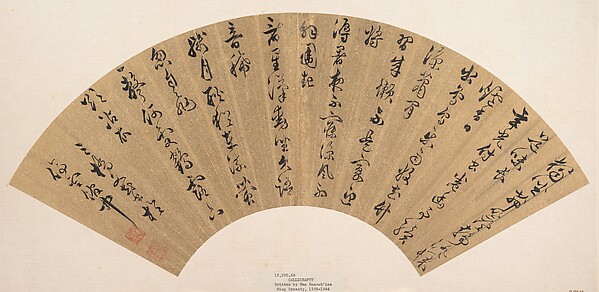
Analects Scene Before The Motto
This block uses Analects, Book 1.1, Xue Er as the anchor, with "子曰:「學而時習之,不亦說乎?有朋自遠方來,不亦樂乎?人不知..." kept in front of the explanation.
Passage Unit: The passage has three linked questions. Cutting off only the first sentence makes the page easier to quote but weaker as reading, because the later lines add friendship and self-command.
Key Term Choice: Xue is learning, while xi points toward repeated practice or rehearsal. Translating both too smoothly as study loses the rhythm between receiving something and returning to it.
Context For Readers: Because this is the opening of the Analects, it works like a doorway into the text's larger concern with practice, relationship, and the formation of a junzi.
Citation Use: A careful citation should name Analects 1.1 and explain whether the quotation includes only the first clause or the full three-part saying.
Conduct, Role, And Key Terms
Three Questions Not One Motto: Analects 1.1 is often quoted only through the opening line about learning and practice, but the received passage has three rhetorical questions. Learning is joined to timely rehearsal, friends arriving from afar, and the steadiness not to resent being unknown. That shape matters because the Analects introduces study as a social and moral practice, not only an intellectual habit or schoolroom slogan.
Key Terms In The Opening: Xue points to learning, while xi suggests repeated practice, review, or rehearsal. Yue and le both concern pleasure or joy, but their placement differs: the first belongs to learning practiced at the right time, the second to companions arriving. Junzi closes the passage by naming the cultivated person. A translation that smooths all of this into study is fun loses the page's moral architecture.
Citation And Classroom Use: For an English essay or classroom handout, cite Analects 1.1 and state whether the quote is the first clause or the full three-part saying. That distinction is not pedantic. It changes the lesson from enjoying study to sustaining practice, friendship, and composure without recognition. This is exactly the kind of context that separates a source-based page from a generic Confucius quote list.
Analects Learning Reader Test: A reader should be able to say what the third question adds. If the page only explains learning and friends, it misses the closing test of the junzi: remaining unresentful when others do not know or recognize you. That ending gives the opening passage its moral weight. Learning is not complete when it is pleasant; it becomes character when practice continues without applause.
Keep the term set visible here: xue, xi, yue. The reading changes if one of these terms is translated too smoothly.
How To Cite The Saying
Analects Learning Reading Payoff: The page adds a passage-level reading. Instead of extracting the first line as a school motto, it keeps the three questions together and shows why learning, companionship, and recognition all belong in the opening of the Analects.
Analects Learning Source Checkpoint: Keep the speaker, respondent, and Analects book number in view: Analects, Book 1.1, Xue Er, opening with "子曰:「學而時習之,不亦說乎?有朋自遠方來,不亦樂乎?人...". Keep xue beside the Chinese wording before accepting the readable English. On this page the source anchor is doing real work: it tells the reader where the claim begins, which phrase is being interpreted, and why the explanation should stay narrower than a later proverb or author label.
Analects Learning Reader Decision: The practical decision is whether the reader can test whether the English still preserves conduct, relation, and role. Compare xue with xi, then ask which English phrase compresses the most. That check blocks the common mistake of flattening Confucius into a one-sentence ethics poster; it also gives the page a finish line, so the reader leaves with a source habit rather than a smoother slogan.
The reading should end in one practical move: Read the full Analects 1.1 passage before quoting only the learning clause.