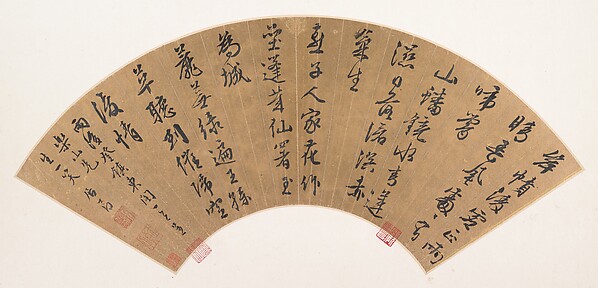
The Poem Before Paraphrase
This block uses Song of Everlasting Sorrow, Bai Juyi, 806, long Tang narrative poem as the anchor, with "漢皇重色思傾國,御宇多年求不得。楊家有女初長成,養在深閨人未..." kept in front of the explanation.
Full Poem Scope: This page treats Song of Everlasting Sorrow as a long narrative poem, not as a quote page for the final couplet. The original text and pinyin fields preserve the full poem. The English layer follows the poem's sequence so readers can see the movement from desire, selection, favor, music, and pleasure into flight, death, mourning, spirit search, token exchange, and unending sorrow.
Opening Desire: The poem begins with imperial desire: the ruler values beauty and seeks one who can overturn a kingdom. That opening is ethically charged. It does not simply introduce romance. It ties private desire to political power from the first line. Yang Guifei's beauty enters a court structure where favor, rank, family elevation, and public consequence are inseparable.
Court Splendor: The Huaqing bath, warm spring water, jeweled ornaments, lotus curtain, spring nights, banquets, and music create a sensuous court world. Bai Juyi lets that world glitter, but the glitter is unstable. The poem's pleasure section is long enough to make readers feel how absorbing it is, then the Yuyang drums break into it with historical violence.
Yuyang Drums: Yu yang pi gu dong di lai is the turning point. The drums shake the earth and break the Rainbow Skirt and Feathered Robe music. This is more than a change of scene. The poem makes political upheaval interrupt aesthetic pleasure. The court's music cannot seal itself away from military crisis.
Images, Sound, And Emotional Turn
Mawei Death: At Mawei, the six armies will not move, and Yang Guifei dies before the horses. The poem marks the helplessness of imperial power: the ruler covers his face and cannot save her. Her ornaments fall to the ground, and looking back produces blood and tears. This is the central wound of the poem's narrative.
Return Without Restoration: When the ruler returns, the ponds, palace grounds, lotus, and willows remain, but resemblance makes grief worse. The palace is not restored by being physically present. Flowers, autumn leaves, old performers, cold bedding, and long nights become evidence of absence. The poem turns familiar objects into witnesses of loss.
Spirit Search: The Daoist searcher moves through heaven and earth, then reaches the misty immortal island. This section changes the poem from political memory into otherworldly quest. Yet even the immortal scene does not erase separation. Taizhen wakes, receives the message, and sends tokens back, but heaven and human world remain divided.
Tokens And Vow: The gold hairpin and ornament box matter because the poem needs material signs of remembered feeling. The secret vow at the Hall of Long Life on the seventh night of the seventh month then becomes the emotional center of the ending. The famous paired birds and linked branches are not casual romantic images; they answer a long narrative of loss.
Keep the term set visible here: qing guo, Huaqing chi, Mawei. The reading changes if one of these terms is translated too smoothly.
Translation Choices To Keep Visible
Bai Juyi's Song of Everlasting Sorrow Translation Limit: A responsible page should not present only the final lines as if they were the whole poem. It should also avoid copying a modern line-by-line translation. This page gives the full Chinese and pinyin, then a sequence-based working rendering and commentary. Readers who need a scholarly translation should compare editions, but the source order is kept visible here.
Bai Juyi's Song of Everlasting Sorrow Reading Payoff: This page differs from Li Shangyin's Untitled because its sorrow is narrative and historical rather than compressed into symbolic couplets. It differs from Du Fu's Moonlit Night because the separation here becomes imperial legend and spirit-searching rather than a family night. The article gives readers a source-based way to understand the famous ending without detaching it from Mawei and the poem's political grief.
The reading should end in one practical move: Compare this page with Li Shangyin's Untitled and Du Fu's Moonlit Night before quoting the paired-birds ending as a standalone love line.