First Source To Open
This block uses Analects, Book 1.1, Xue Er as the anchor, with "子曰:「學而時習之,不亦說乎?有朋自遠方來,不亦樂乎?人不知..." kept in front of the explanation.
Learning Is A Passage, Not A Motto: Analects 1.1 is often shortened to a school-friendly line about learning. The recalled passage is broader: practice at the right time, friends from afar, and the gentleman who is not resentful when unknown. That three-part shape changes the guide. Confucius is not introduced as a dispenser of isolated study tips, but through a social and moral scene.
Junzi Is Not A Ready-Made English Word: Analects 2.12 gives only four Chinese characters after the speaker formula: junzi bu qi. Because it is so compact, it is a good warning against over-smooth English. Gentleman, noble person, or exemplary person can all help, but the reader still needs the image of a vessel and the broader Analects use of junzi before applying the line.
Famous Ethics Still Need Location: Analects 15.24 is a traceable source for the line about not imposing on others what one does not desire. The recalled material includes the question about one word that can guide lifelong conduct. That setting matters. The famous ethical sentence is not merely a universal proverb; it answers a request for a guiding term, shu.
What Confucius Names: The name Confucius points to a remembered teacher, but English readers usually meet him through a translated tradition. This guide therefore treats Confucius as an entry into the Analects: speaker formula, passage number, key term, and social context. If a quote cannot pass those checks, the page should name uncertainty rather than polish it.
How The Work Changes The Author Label
A Reading Habit For Beginners: For each Confucius line, write down three fields before interpretation: where it appears, who is speaking or being answered, and which term carries the pressure. Xue, junzi, and shu behave differently across the recalled passages. That habit makes the page more useful than a quote list because it trains readers to preserve the setting.
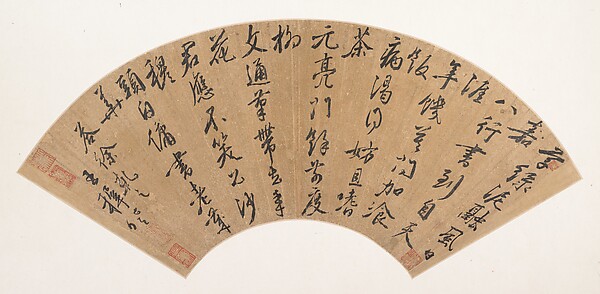
Image And Next Reading: The brushed text image is an illustrative fit because this guide is about transmitted sayings and reading discipline, not a portrait of Confucius. The next useful step is an Analects passage page where the reader can see how a short line expands when speaker, term, and neighboring clauses are kept visible.
Dialogue Before Doctrine: The recalled Analects materials are not presented as timeless sayings floating without speakers. One opens a learning scene, one compresses a judgment about the junzi, and one answers a question from Zigong. Keeping that dialogue shape changes how the guide reads Confucius. It asks the reader to notice question, occasion, and term before turning the passage into doctrine.
What A Reader Should Verify: A reader using this guide should be able to verify three concrete things: the book and chapter, the Chinese wording that carries the point, and the boundary of the English explanation. If those three checks fail, the page should not be treated as source evidence. That is the difference between a Confucius quote page and a Confucius source guide.
Keep the term set visible here: xue, xi, peng. The reading changes if one of these terms is translated too smoothly.
The reading should end in one practical move: Compare Analects 1.1 with a passage page before collecting more Confucius quotations.