First Source To Open
This block uses Quiet Night Thoughts, Li Bai, received four-line text as the anchor, with "床前明月光,疑是地上霜。舉頭望明月,低頭思故鄉。" kept in front of the explanation.
Quiet Night Thoughts Gives The Entry: The first recalled poem is short enough to inspect whole. Moonlight appears before the bed, is mistaken for frost, and then pulls the speaker's head up and down. This line movement is the reason the guide should begin with poetic sequence rather than biography. Li Bai's fame does not replace the poem's craft.
Moon And Shadow Are Companions: Drinking Alone Under the Moon adds a different Li Bai scene. The speaker raises wine, invites the moon, and counts shadow as a companion. The poem is playful and lonely at once. That recalled material keeps the guide from turning Li Bai into only nostalgia or only exuberance; the poem stages companionship as imagination under pressure.
Exaggeration Is Controlled: Viewing the Waterfall at Mount Lu gives the guide a visual counterweight. The waterfall appears like a river dropping from the sky. The exaggeration is not random decoration. It organizes height, distance, and astonishment. English readers should ask how the image is built before saying Li Bai is simply romantic or wild.
Biography After Poem: Li Bai's life and reputation matter, but this guide puts them after source reading. The recalled materials show why: three famous poems use moonlight, wine, shadow, mountain, and falling water in different ways. A guide built only from biography would miss those different mechanics and make every Li Bai poem sound the same.
How The Work Changes The Author Label
How To Read Li Bai In English: Start with one complete poem. Track image order, body movement, and the turn from scene to feeling. Then compare translations for what they do with gu xiang, moonlight, invitation, or falling water. The useful question is not whether the English sounds poetic, but whether it keeps the poem's movement intact.
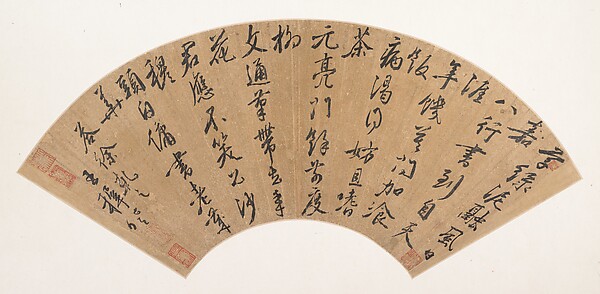
Image And Next Reading: The poem manuscript surface fits this guide because the page is about poetic transmission and line-by-line reading. It should not be taken as a manuscript of these poems. The next useful step is to read Quiet Night Thoughts beside a Du Fu page, comparing image sequence with historical pressure.
Image Movement Before Reputation: The three recalled poems also protect the guide from biography-first reading. In Quiet Night Thoughts, the poem moves through moonlight, mistaken frost, raised head, and lowered head. In Drinking Alone, companionship is staged through moon and shadow. In the Mount Lu waterfall poem, scale is built through distance and falling light. The guide asks readers to follow those movements first.
Comparing Li Bai Without Flattening Him: Li Bai can be playful, lonely, homesick, extravagant, and visually exact, but those qualities do not appear in the same way in every poem. This guide gives readers a comparison habit: name the scene, track the image, and only then describe the mood. That keeps the page from using poet legend as a shortcut for actual reading.
Keep the term set visible here: ming yue, shuang, ju tou. The reading changes if one of these terms is translated too smoothly.
The reading should end in one practical move: Read Quiet Night Thoughts line by line before comparing Li Bai with Du Fu.