First Source To Open
This block uses Zhuangzi, Xiao Yao You as the anchor, with "北冥有魚,其名為鯤。鯤之大,不知其幾千里也。" kept in front of the explanation.
Start With Scale: The Kun and Peng opening of Xiao Yao You is not a decorative myth placed before the real philosophy. It is the philosophy beginning in narrative scale. The fish and bird are too large to handle as ordinary examples. That scale trains the reader to distrust cramped measures before the guide says anything abstract about freedom.
Transformation Is A Reading Event: The butterfly passage changes the guide's center from doctrine to experience. Zhuang Zhou dreams he is a butterfly, then wakes and cannot settle the boundary in the simple way a reader may expect. This recalled material makes transformation a problem of perspective and knowing, not just a theme to summarize in one English noun.
Uselessness Needs A Story: The useless tree material prevents the guide from saying Zhuangzi merely praises uselessness. The story works by changing the frame in which value is judged. What seems unusable from one practical standpoint may survive for that very reason. A source guide must preserve the story's shift rather than convert it into a slogan.
Text, Figure, And Tradition: Zhuangzi can name an attributed figure, a received text, and a tradition of later reading. The guide therefore keeps the source layer visible. It tells readers to ask which chapter and scene they are reading, who speaks, and how the passage moves. Those questions are safer than treating every strange Zhuangzi line as the same paradox.
How The Work Changes The Author Label
How To Read A Zhuangzi Page: For English readers, the first task is not to solve the story. It is to keep the images and speaker shifts alive long enough to see what they disturb. Write down the scene, the comparison being stretched, and the judgment that becomes unstable. Only then should the reader write a philosophical summary.
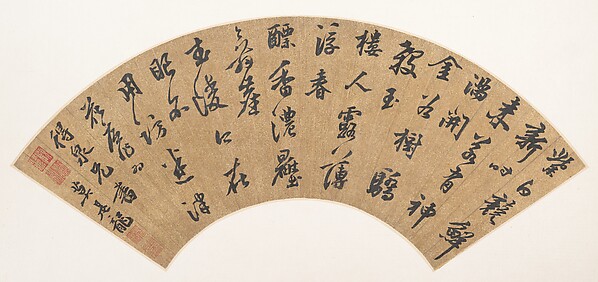
Image And Next Reading: The literati album image fits as an illustrative reading surface because Zhuangzi pages often ask readers to stay with indirectness, space, and changing perspective. It does not depict Kun, Peng, or the butterfly. The next useful reading step is a page on ziran or classical ambiguity, where terms and stories can be compared without flattening them.
Scene Order Matters: The recalled Zhuangzi scenes do not all argue in the same way. Kun and Peng stretch scale before judgment; the butterfly passage unsettles identity after waking; the useless tree shifts value by changing the frame of use. The guide therefore asks readers to follow scene order. If the story is skipped, the philosophical claim becomes flatter than the source.
Do Not Smooth The Voices Too Soon: English summaries often make Zhuangzi sound like one consistent speaker with one doctrine. The recalled materials resist that smoothness. They work through voices, images, shifts, and provocations. This page stays useful by telling readers to preserve the oddness long enough to see what it is doing, rather than immediately translating every passage into an abstract lesson.
Keep the term set visible here: Kun, Peng, xiao yao. The reading changes if one of these terms is translated too smoothly.
The reading should end in one practical move: Read the Xiao Yao You opening beside a Dao concept page before reducing Zhuangzi to paradox.