First Source To Open
This block uses Tao Te Ching, Chapter 1 as the anchor, with "道可道,非常道;名可名,非常名。無名天地之始;有名萬物之母。" kept in front of the explanation.
Start With Chapter 1: The first recalled anchor, chapter 1 of the Tao Te Ching, is the right doorway because it immediately warns that dao and ming are unstable when turned into fixed names. This changes the guide's emphasis. Laozi is not introduced as a simple advice writer. He is introduced through a text that begins by making language itself part of the reading problem.
Wu Wei Needs Both Halves: Chapter 37 keeps the guide from translating wu wei as do nothing. The line says the Way is constantly without forcing and yet nothing is left undone. Those two halves must stay together. If the English explanation keeps only non-action, it loses the result clause; if it keeps only effectiveness, it loses the non-forcing discipline.
Famous Lines Need Sequence: Chapter 64 supplies the caution for online quote use. The thousand-li journey line appears with the embraceable tree and the nine-story terrace. All three images teach attention to beginnings. That recalled sequence prevents the guide from using the journey line as generic motivation and makes chapter context part of Laozi reading from the start.
What The Name Can And Cannot Prove: The name Laozi points readers toward a received text and tradition, but it does not solve authorship, dating, or interpretation. This guide therefore treats Laozi as a source path: open the chapter, keep the Chinese terms visible, compare the local sequence, and only then write an English summary. The page deliberately avoids letting the famous name carry the whole argument.
How The Work Changes The Author Label
How English Readers Should Proceed: A beginner can read Laozi well by building a small habit: choose one chapter, copy one line in Chinese, mark the repeated term, and write a boundary sentence for the translation. The boundary matters because words such as dao, ming, wu wei, and ziran do not behave like fixed dictionary entries. They gain pressure from local arrangement.
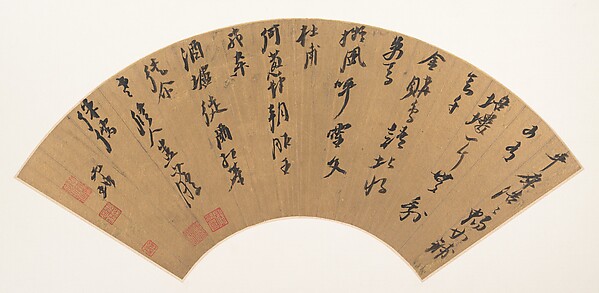
Image And Next Reading: The public-domain calligraphy image fits this guide as a reading surface, not as documentary proof of the Tao Te Ching. Its role is to keep the eye near transmitted written form. The next useful step is to read a chapter page and a term page side by side, so the reader sees how one line and one vocabulary problem support each other.
Three Chapters, Three Reading Checks: The three recalled chapters also give a practical sequence for the guide. Chapter 1 asks whether the reader is freezing a name too quickly. Chapter 37 asks whether non-forcing and effectiveness are being kept together. Chapter 64 asks whether a famous line still carries its surrounding images. Those checks are small, but they prevent a Laozi page from becoming general calm advice.
Why This Guide Stays Narrow: This page does not try to settle the whole Laozi tradition. It gives English readers a source path they can repeat: open a chapter, keep the Chinese term visible, and test any summary against adjacent clauses. That narrowness is deliberate. It makes the guide more useful for search readers because it teaches verifiable habits before broad interpretation.
Keep the term set visible here: dao, ming, wu ming. The reading changes if one of these terms is translated too smoothly.
The reading should end in one practical move: Read chapter 1 and one wu wei page before using Laozi as a general wisdom label.