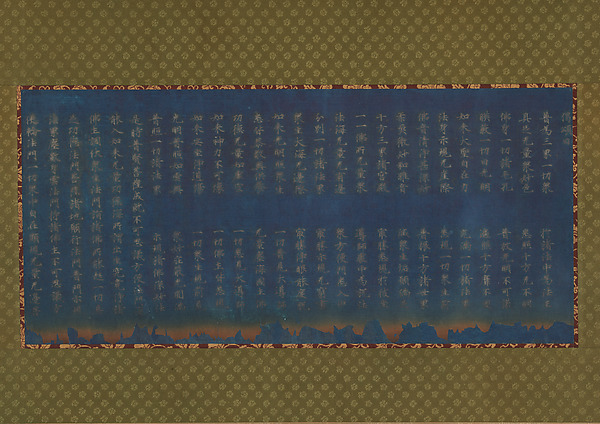
The Teaching Scene
This block uses Analects, Book 15.24, Wei Ling Gong as the anchor, with "子貢問曰:有一言而可以終身行之者乎?子曰:其恕乎!己所不欲,..." kept in front of the explanation.
Zigong's One-Word Question: The passage begins with Zigong asking whether one word can be practiced through an entire life. That question creates the frame. Confucius is not giving a decorative saying. He is answering a request for a durable practice. The page therefore reads the line as a lifelong discipline rather than as a one-time act of niceness.
Why Shu Comes First: Shu is the key term before the famous final clause appears. It can be read as reciprocity, sympathetic consideration, or putting oneself in relation to another. Keeping the Chinese term visible prevents the passage from collapsing into a modern slogan. The word names the practice; the next sentence gives a test for using it.
The Negative Form: Ji suo bu yu, wu shi yu ren is phrased negatively: what you do not want, do not impose on others. This does not command the reader to assume everyone wants the same good things. It first stops projection and pressure. The restraint matters because shu begins by checking what one is about to place on another person.
A Lifelong Practice: Zhongshen means through the whole body of one's life, or for a lifetime. That gives the passage a long horizon. The line is not a quick social tip. It is something to keep applying across family, friendship, office, teaching, and conflict. Its simplicity is demanding because it has to be repeated in changing situations.
The Word That Changes The Passage
Not Sentimental Forgiveness: The page title uses forgiveness in a broad search sense, but the source word is shu, not a simple command to excuse every wrong. Shu is closer to considerate reciprocity. It asks the reader to notice the pressure of one's own desire and stop imposing it. That makes the line practical without turning it into passivity.
Relation To Reciprocity: Analects readers often connect this passage with loyalty and reciprocity. The connection is real, but this page stays focused on the one-word question. Shu is not only a social exchange principle. It is a self-checking practice: before acting outward, the person tests whether the action would be bearable if reversed.
Analects Forgiveness In One Word Citation Limit: A responsible citation should include both parts: Zigong asks for one lifelong word, and Confucius answers with shu before giving the do-not-impose line. Quoting only the final sentence can hide the source's shape. The passage is about the named practice that makes the final rule intelligible.
Analects Forgiveness In One Word Reading Payoff: This page differs from the do-not-impose page because it centers the word shu and Zigong's lifelong-practice question. It differs from loyalty-and-reciprocity pages because the emphasis is not a pair of virtues but one guiding term. The article gives readers a source-based way to explain why the famous final line belongs to a one-word discipline.
Keep the term set visible here: Zigong, shu, zhongshen. The reading changes if one of these terms is translated too smoothly.
The reading should end in one practical move: Compare this page with do not impose on others and loyalty and reciprocity before quoting the line as a general golden rule.