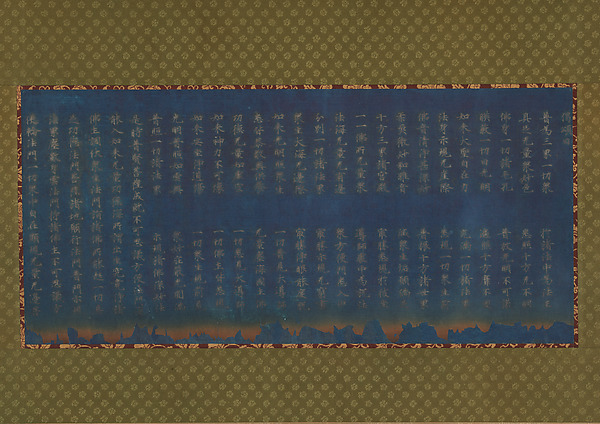
The Teaching Scene
This block uses Analects, Book 1.4, Xue Er as the anchor, with "曾子曰:吾日三省吾身:為人謀而不忠乎?與朋友交而不信乎?傳不..." kept in front of the explanation.
Daily Self-Examination Search Answer: For search readers, the useful answer is direct: the page gives the Analects passage, identifies Zengzi as speaker, and names the three checks before commentary begins. The first-screen job is to prevent a generic self-help reading. Loyalty, trustworthiness, and practiced learning belong together, so the page should be cited as Analects 1.4 rather than as an anonymous daily reflection slogan.
Zengzi Speaks: The speaker is Zengzi, not Confucius directly. That matters because the passage shows a disciple articulating a practice of moral checking. The page keeps the speaker visible so readers do not turn the line into an anonymous Confucius quote. It is part of the Analects' picture of learning through remembered voices.
Three Daily Checks: Wu ri san xing wu shen says that each day he examines himself three times or on three matters. The translation chooses three points to keep the focus on the listed questions. The force is regularity: the passage imagines character as something checked repeatedly, not assumed because one studies moral language.
Planning For Others: Wei ren mou er bu zhong hu asks whether service to others has lacked zhong. In this context, zhong is loyal or wholehearted reliability in acting for another person. It is not blind obedience. The question is whether one's planning for others was sincere, complete, and faithful to the responsibility taken on.
The Word That Changes The Passage
Trust With Friends: Yu peng you jiao er bu xin hu moves from service to friendship. Xin is trustworthiness: whether words, promises, and conduct can be relied upon. The page keeps this as a separate check because friendship in the Analects is not only affection. It is a moral relationship where reliability matters.
Practicing What Is Transmitted: Chuan bu xi hu is difficult because chuan can mean what has been transmitted or what one transmits to others. This page reads the line as received teaching that must be practiced, while noting the teaching context. The key point is that learning fails when transmitted words are not worked into conduct.
Not A Productivity List: Modern readers may be tempted to treat the three checks as a personal habit system. That is too thin. The questions are relational and ethical: service, friendship, and learning. The page therefore avoids language about efficiency and keeps the passage tied to Confucian self-cultivation.
How To Use The Passage: When citing the passage, name Analects 1.4 and identify Zengzi as the speaker. A useful modern paraphrase should preserve all three checks. If only daily self-examination is quoted, the reader misses what is being examined: loyalty in service, trust in friendship, and practiced transmission.
Keep the term set visible here: san xing, zhong, xin. The reading changes if one of these terms is translated too smoothly.
Use The Passage Without Flattening It
Analects Daily Self-examination Reading Payoff: This page differs from Analects 1.1 because it turns from the joy of practiced learning to the discipline of daily moral checking. It differs from broader Confucius reflection pages because it explains each of Zengzi's three questions. The article gives readers a source-safe way to use the line without making it a generic journaling prompt.
Analects Daily Self-examination Source Checkpoint: Read the passage as a small teaching scene: Analects, Book 1.4, Xue Er, opening with "曾子曰:吾日三省吾身:為人謀而不忠乎?與朋友交而不信乎?...". Keep san xing beside the Chinese wording before accepting the readable English. On this page the source anchor is doing real work: it tells the reader where the claim begins, which phrase is being interpreted, and why the explanation should stay narrower than a later proverb or author label.
Analects Daily Self-examination Reader Decision: The practical decision is whether the reader can notice who asks, who answers, and which word carries the correction. Compare san xing with zhong, then ask which English phrase compresses the most. That check blocks the common mistake of treating a classroom exchange as anonymous advice; it also gives the page a finish line, so the reader leaves with a source habit rather than a smoother slogan.
The reading should end in one practical move: Compare this passage with the knowing-what-you-know line before turning self-examination into a private checklist.