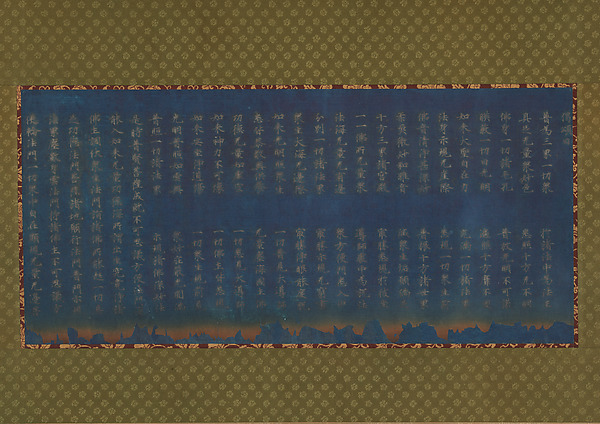
The Teaching Scene
This block uses Analects, Book 15.24, Wei Ling Gong as the anchor, with "子貢問曰:有一言而可以終身行之者乎?子曰:其恕乎!己所不欲,..." kept in front of the explanation.
Zigong's Question: Zigong asks for one word that can be practiced for one's whole life. That frame matters. The answer is not a quick etiquette tip. It is a compact lifelong rule of conduct. The page keeps the question visible because the final line becomes thinner when it is detached from the request for one governing word.
The Word Shu: Confucius answers qi shu hu, perhaps shu. Shu is difficult to translate in one English word. Reciprocity, consideration, or putting oneself in relation to another all point toward it. The page leaves shu visible because the term is the named virtue behind the better-known do-not-impose sentence.
What One Does Not Want: Ji suo bu yu begins from what one does not desire for oneself. The sentence asks for inward comparison before action. It does not ask the reader to assume that every person wants the same positive goods. It starts with restraint: recognize what would be unwelcome to you before placing it on another.
Do Not Impose: Wu shi yu ren is translated as do not impose on others. Shi can mean to apply, place, or enact. The negative command is practical and limited. It does not solve every ethical question, but it blocks a common failure: making another person bear what one would reject for oneself.
The Word That Changes The Passage
Negative Reciprocity: The line is sometimes compared with positive golden-rule formulations, but its shape is negative. It begins by forbidding imposition. That negative form matters because it gives a minimum discipline for conduct: before acting, stop the harm or burden that you would not accept if roles were reversed.
Lifelong Practice: Zhong shen xing zhi means to practice it through the whole of life. The passage does not present shu as an occasional feeling. It is something enacted repeatedly in speech, friendship, family, and public life. A careful modern use should keep practice, not sentiment, at the center.
Analects Do Not Impose On Others Citation Practice: A responsible citation should name Analects 15.24, include Zigong's question when space allows, and identify shu as the one-word answer. Quoting only do not impose on others can be useful, but it loses the lifelong-practice frame that makes the line more than a social nicety.
Analects Do Not Impose On Others Reading Payoff: This page differs from broader reciprocity quote pages because it reads the full question-and-answer shape of Analects 15.24. It differs from friendship passages because the focus is not mutual correction but restraint in what one places on others. The article gives readers a source-safe way to cite the line without losing shu.
Keep the term set visible here: Zigong, shu, yu. The reading changes if one of these terms is translated too smoothly.
Use The Passage Without Flattening It
Analects Do Not Impose On Others Source Checkpoint: Read the passage as a small teaching scene: Analects, Book 15.24, Wei Ling Gong, opening with "子貢問曰:有一言而可以終身行之者乎?子曰:其恕乎!己所不...". Keep Zigong beside the Chinese wording before accepting the readable English. On this page the source anchor is doing real work: it tells the reader where the claim begins, which phrase is being interpreted, and why the explanation should stay narrower than a later proverb or author label.
Analects Do Not Impose On Others Reader Decision: The practical decision is whether the reader can notice who asks, who answers, and which word carries the correction. Compare Zigong with shu, then ask which English phrase compresses the most. That check blocks the common mistake of treating a classroom exchange as anonymous advice; it also gives the page a finish line, so the reader leaves with a source habit rather than a smoother slogan.
The reading should end in one practical move: Compare this page with loyalty-and-reciprocity and friendship pages before using the line as a general golden-rule quote.