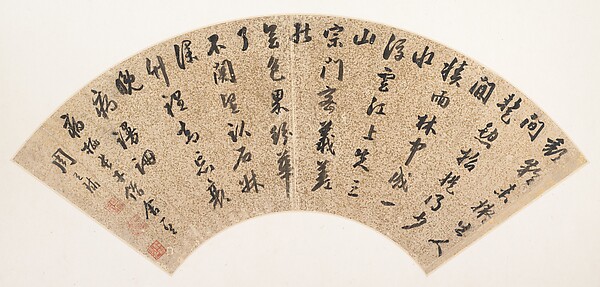
The Teaching Scene
This block uses Analects, Book 2.3, Wei Zheng as the anchor, with "子曰:道之以政,齊之以刑,民免而無恥。道之以德,齊之以禮,有..." kept in front of the explanation.
A Political Passage: This passage belongs to the Wei Zheng chapter, where governing is a central concern. It is not only personal advice about being nice. Confucius is comparing two ways of ordering a community: one relies on government and punishments, the other on virtue and ritual. The page keeps the political frame visible so the quote does not become a vague management line.
Guiding With Government: Dao zhi yi zheng uses dao as a verb, to guide or lead, with zheng, government or administrative order. The first model is not described as useless. It can direct behavior. But when paired with xing, punishments, it reaches only the level of avoidance. People learn what to escape, not what to honor.
Avoidance Without Shame: Min mian er wu chi says the people avoid punishment but have no shame. This is the passage's diagnosis of external control. It may change visible behavior while leaving the inner moral response untouched. The word chi matters because shame here is not humiliation; it is the capacity to feel that something is morally beneath oneself.
Guiding With Virtue: Dao zhi yi de gives the second model. De is virtue, moral force, or cultivated power. To lead with de is not merely to state rules kindly. It means the ruler's own moral presence and the community's norms help form people's sense of direction. This gives the passage its Confucian shape.
The Word That Changes The Passage
Ritual As Regulation: Qi zhi yi li can sound strange if li is translated only as ceremony. In this passage, ritual is a regulative practice: forms of conduct, respect, and role that train people in ordered relations. The page keeps ritual close to regulation because li is part of how virtue becomes public and habitual.
Shame And Correction: You chi qie ge says people will have shame and also correct themselves or come into order. The key contrast is not soft versus hard rule. It is external compliance versus internal formation. The better form of rule produces people who can recognize and adjust their own conduct.
Modern Boundary: The passage can help discuss leadership, education, or institutions, but it should not be used to reject all law or punishment. Confucius is setting a priority: law can restrain, but virtue and ritual cultivate. A careful modern use keeps both sides of the contrast rather than pretending the passage abolishes governance.
Analects Lead With Virtue Reading Payoff: This page differs from the broader governing-by-virtue quote page because it reads every contrast in Analects 2.3: government and punishment, virtue and ritual, avoidance and shame. It differs from filial or learning passages because its primary task is political formation. The article gives readers a source-safe way to cite the leadership contrast without erasing li or chi.
Keep the term set visible here: zheng, xing, de. The reading changes if one of these terms is translated too smoothly.
The reading should end in one practical move: Compare this passage with the governing-by-virtue and virtue-before-punishment pages before using it as a leadership quotation.