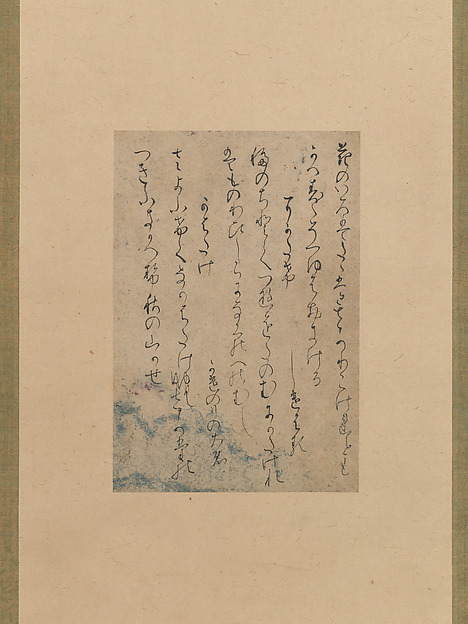
The Teaching Scene
This block uses Analects, Book 1.6, Xue Er as the anchor, with "子曰:弟子入則孝,出則弟,謹而信,汎愛眾,而親仁。行有餘力,..." kept in front of the explanation.
Conduct Before Texts: The passage gives a sequence. It does not begin with reading, memorizing, or arguing. It begins with conduct in the home and outside the home, then moves to trustworthiness, broad concern, humane company, and finally study. This order is the unique feature of Analects 1.6 and should remain visible in any quotation.
At Home And Outside: Ru ze xiao, chu ze ti divides the learner's world into home and outside. Xiao is filial care or respect within the family. Ti is respectful deference, often toward elders or older brothers, outside the immediate home. The line links private formation and public conduct instead of treating learning as only intellectual.
Careful And Trustworthy: Jin er xin adds two qualities: carefulness and trustworthiness. Jin suggests caution or attentiveness in action; xin means that one's words and conduct can be relied upon. This pair prevents the passage from becoming mere family obedience. It asks for a reliable person whose conduct can carry trust.
Broad Love And Humane Company: Fan ai zhong, er qin ren says to love the many broadly and draw near to humane people. The passage widens from family and elders to the larger community, then narrows again toward the company one chooses. Broad concern and moral association are both needed. The learner is shaped by who is loved and who is kept close.
The Word That Changes The Passage
What Wen Means Here: Wen can mean patterned culture, writings, or learned texts. The page translates it as cultural texts to keep the study sense without reducing it to modern schoolwork. Analects 1.6 does not reject wen; it places wen after conduct, as something to pursue when the basic work of living responsibly has been taken seriously.
Remaining Strength: Xing you yu li means if in conduct there is remaining strength. This is an important condition. Study is not treated as escape from ordinary relationships. It is what one takes up with the energy left after practicing filial care, respect, trust, broad concern, and humane association. That makes the passage demanding, not anti-intellectual.
Modern Boundary: Modern readers should not use this passage to dismiss formal education or to excuse narrow family obligation. The sequence is about grounding learning in conduct. A careful modern use can ask whether study is separated from reliability and care, but it should not turn the passage into a slogan against scholarship.
Analects Filial Conduct At Home Reading Payoff: This page differs from the filial respect quote page because it reads the whole sequence of Analects 1.6, ending with wen. It differs from the learning passage in 1.1 because this line puts learning after practical conduct. The article gives readers a source-safe way to cite the passage without cutting off its final turn to study.
Keep the term set visible here: xiao, ti, xin. The reading changes if one of these terms is translated too smoothly.
The reading should end in one practical move: Compare this passage with the filial respect and learning pages before quoting it as either family ethics or education advice.