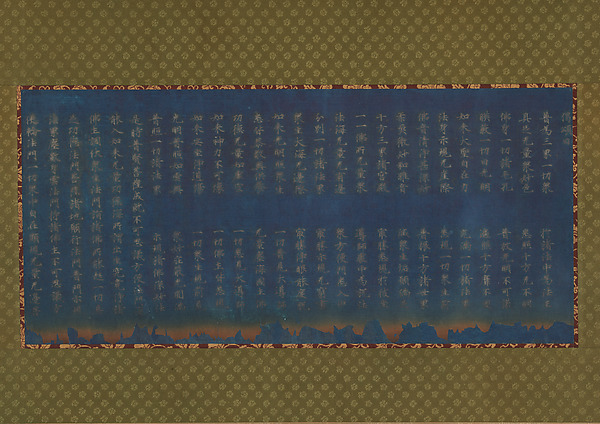
The Teaching Scene
This block uses Analects, Book 2.12, Wei Zheng as the anchor, with "子曰:君子不器。" kept in front of the explanation.
A Very Short Passage: The sentence has only four Chinese characters after the speech marker. Its shortness is part of the difficulty. A page about this line must resist filling the silence too quickly. The safest reading begins with the metaphor itself: junzi, the cultivated person, is being contrasted with qi, a vessel or implement.
What Qi Suggests: Qi can name a vessel, utensil, or implement, something shaped for a particular use. That does not make vessels bad. The contrast works because a vessel is limited by function. The junzi, by contrast, should have moral breadth and judgment that cannot be exhausted by one technical role.
Junzi Is Not A Compliment Only: Junzi is translated here as gentleman in the classical ethical sense. It is not merely a polite label. In Analects 2.12, junzi names a person whose formation should exceed narrow utility. The passage asks whether a person has become only useful in one way, or has become broadly responsive to what is right.
Not Against Skill: A weak modern use treats the line as an attack on specialization. That goes too far. The Analects often values learning, ritual, music, and proper competence. The line warns against reducing the person to an instrument. Skill can be part of formation, but it should not replace cultivated judgment.
The Word That Changes The Passage
Political And Educational Edge: Because the chapter concerns governing, the sentence can also speak to public roles. A person serving in office should not be merely a tool for one task. Education should form someone who can judge, adapt, and act with moral proportion. The page keeps this broader edge without forcing the line into a modern job slogan.
How To Use The Metaphor: When citing the passage, keep the image of vessel visible. Translating the line as the gentleman is not a specialist may help some readers, but it narrows the metaphor. A fuller explanation should say that the cultivated person is not only an implement shaped for one fixed use.
Analects The Gentleman Is Not A Vessel Reader Test: Before using this line, ask whether it is being used to excuse vagueness or to defend moral breadth. The Analects does not praise being undefined. It praises a formed person whose value is not exhausted by function. That distinction protects the line from becoming a slogan against practical competence.
Analects The Gentleman Is Not A Vessel Reading Payoff: This page differs from the broader gentleman quote page because it focuses on the vessel metaphor in Analects 2.12. It differs from learning and teaching passages because its central question is not practice but reduction to function. The article gives readers a source-safe way to explain the famous four-character line without overbuilding it.
Keep the term set visible here: junzi, bu, qi. The reading changes if one of these terms is translated too smoothly.
The reading should end in one practical move: Compare this passage with the broader gentleman page before using it as a statement about specialization or character.