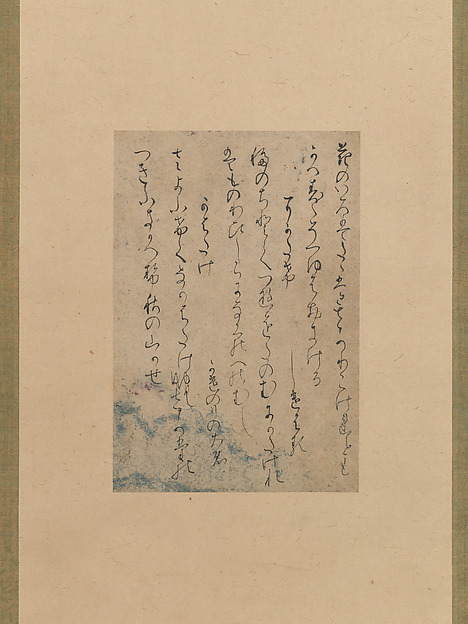
The Teaching Scene
This block uses Analects, Book 2.24, Wei Zheng as the anchor, with "子曰:非其鬼而祭之,諂也。見義不為,無勇也。" kept in front of the explanation.
Two Moral Failures: The passage names two failures. The first is improper ritual action: sacrificing to a spirit that is not one's own. The second is moral inaction: seeing rightness and not doing it. The page keeps both because the pair shows that action itself is not automatically good. Some action is flattery; some inaction is cowardice. The moral question is whether action fits yi.
Improper Sacrifice: Fei qi gui er ji zhi refers to sacrificing to a spirit that is not properly one's own. In the ritual world of the Analects, correct relation matters. The problem is not ritual in general, but action outside its proper relation. This first clause prepares the reader to see that courage is not random activity. It must be rightly placed.
Flattery As Chan: Chan is flattery or obsequiousness. The improper ritual act is not neutral error; it is morally compromised because it seeks favor where relation is not right. This matters for the second half. The passage is already warning that visible action can be ethically wrong when its motive and relation are crooked.
Seeing Rightness: Jian yi means seeing rightness. Yi is not only a concept admired from a distance. In this line, rightness becomes visible in a situation. The test begins when a person recognizes what ought to be done. Once yi is seen, the question shifts from understanding to action.
The Word That Changes The Passage
Not Doing It: Bu wei is not doing or not acting. The line does not say every uncertain case demands immediate action. It says that when yi has been seen, failure to act reveals a lack. This keeps the passage from becoming impulsive. Courage is tied to recognized rightness, not to acting for the sake of action.
Courage As Yong: Wu yong ye names the failure as lack of yong, courage. Courage here is moral courage. It is not physical daring alone, and it is not loud confidence. It is the capacity to do what rightness requires after it has been recognized. That is why the passage belongs with both ritual judgment and conduct.
Analects Courage And Rightness Citation Limit: A responsible citation should include the first clause when space allows. Quoting only seeing rightness and not acting is powerful, but the whole passage adds an important boundary: not all action is right action. The source line warns against misplaced performance and against failure before visible rightness.
Analects Courage And Rightness Reading Payoff: This page differs from small-people-and-profit because yi here demands action rather than serving as an interpretive measure. It differs from first-act-then-speak because the issue is not the order of words and conduct, but whether recognized rightness receives courageous action. The article gives readers a source-based way to cite courage without separating it from rightness.
Keep the term set visible here: gui, chan, yi. The reading changes if one of these terms is translated too smoothly.
The reading should end in one practical move: Compare this page with small people and profit and first act then speak before using courage as a general action slogan.