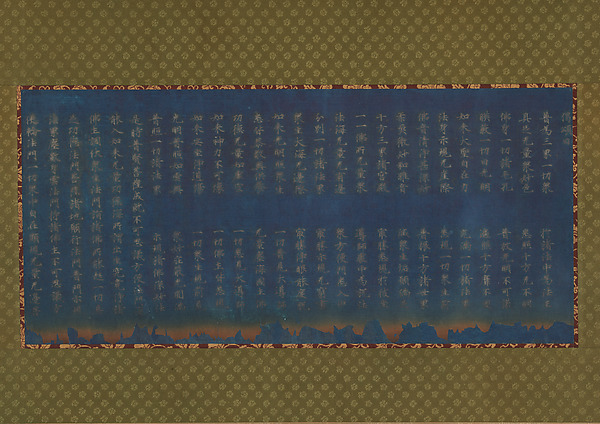
The Teaching Scene
This block uses Analects, Book 4.16, Li Ren as the anchor, with "子曰:君子喻於義,小人喻於利。" kept in front of the explanation.
The Mirror Structure: The sentence mirrors junzi and xiao ren, yi and li. This structure makes the contrast sharp. The page keeps both sides because quoting only the profit half can sound like contempt for practical needs, while quoting only the rightness half can lose the warning. The whole line asks which measure governs a person's understanding.
What Yu Does: Yu is difficult. It can mean to understand, be versed in, or grasp. The page translates it as understands through to show that yi and li are not merely topics known by different people. They are lenses. The gentleman understands situations through rightness; the small person understands situations through profit. That reading keeps the ethical orientation visible.
Yi As Measure: Yi is rightness, fittingness, or moral appropriateness. In this line, yi is the measure by which the junzi reads a situation. The cultivated person asks what is right before asking what can be gained. This does not make practical outcomes irrelevant, but it gives them a subordinate place.
Li As Gain: Li can mean profit, advantage, or gain. The small person is not described as incapable of thought; the problem is the guiding standard. If gain is the first measure, other goods are bent around it. The passage therefore warns against a way of understanding the world where advantage becomes the interpretive center.
The Word That Changes The Passage
Not Anti-Practical: The line should not be used to shame every concern with livelihood or resources. The Analects elsewhere recognizes material conditions and public responsibility. The danger here is not all practical calculation. It is allowing gain to become the measure that decides what things mean and what actions seem acceptable.
Relation To Poverty Passages: This page belongs near poverty and integrity, but the focus differs. Analects 7.16 asks about simple joy and unjust gain. Analects 14.10 compares poverty without resentment and wealth without arrogance. Analects 4.16 is more basic: it asks whether a person uses rightness or profit as the interpretive measure.
Analects Small People And Profit Citation Limit: A responsible citation should keep yi and li visible. Translating the line as the gentleman knows morality, the small person knows profit can be too flat. The stronger reading is about orientation: what standard makes the world legible to each person. The source location, Analects 4.16, should be given when the line is used in ethics or leadership writing.
Analects Small People And Profit Reading Payoff: This page differs from courage-and-rightness because yi here is a guiding measure, while in Analects 2.24 it is something seen and acted upon. It differs from poverty-without-resentment because profit appears here as an interpretive lens rather than a material condition. The article gives readers a source-based way to explain small people and profit without flattening the line into anti-money rhetoric.
Keep the term set visible here: junzi, yu, yi. The reading changes if one of these terms is translated too smoothly.
The reading should end in one practical move: Compare this page with poverty and integrity and courage with rightness before using the line as a claim about money.