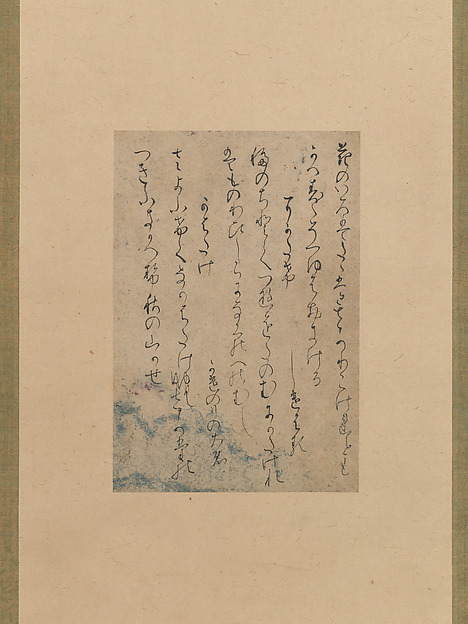
The Teaching Scene
This block uses Analects, Book 2.17, Wei Zheng as the anchor, with "子曰:由,誨女知之乎!知之為知之,不知為不知,是知也。" kept in front of the explanation.
Knowing What You Know Search Answer: The strongest snippet answer is the source logic itself: knowing includes knowing the boundary of not knowing. This page should help readers cite the Analects line, explain the grammar, and avoid using the quote to sound certain. It links naturally to self-examination because both passages ask the reader to name a limit before claiming virtue or knowledge.
Addressing You: The passage begins with You, the personal name of Zilu. This direct address matters because the line is not merely an abstract proverb. It is teaching aimed at a particular disciple. Keeping You visible helps readers hear the sentence as instruction within a relationship, not as a floating slogan.
Teaching Knowing: Hui ru zhi zhi hu can be read as shall I teach you what knowing is. The line is almost playful in its repetition, but the lesson is serious. Confucius does not define knowledge by volume of information. He defines it by correct recognition of the boundary between knowing and not knowing.
What You Know: Zhi zhi wei zhi zhi means to take what is known as known. This sounds obvious, but it includes discipline. One must not pretend that knowledge is more complete than it is, and one must not hide real knowledge out of evasiveness. The phrase asks for accurate acknowledgement.
The Word That Changes The Passage
What You Do Not Know: Bu zhi wei bu zhi is the harder half for many readers. It asks the learner to name non-knowledge as non-knowledge. In the Analects, this is not humiliation. It is a condition for learning. A person who cannot admit not knowing cannot be taught well and cannot judge responsibly.
This Is Knowing: Shi zhi ye closes the passage by naming this honesty as knowledge. The final zhi is not simply another fact. It is the state of knowing how to locate oneself truthfully. The sentence therefore makes intellectual humility part of knowledge, not an optional virtue added afterward.
Why Repetition Matters: The line repeats zhi so often that English can sound awkward if it tries to imitate every turn. This page keeps the repetition visible in pinyin and literal translation because the repeated word is the lesson. Knowledge is being folded back on itself: know knowing, know not knowing, and know the difference.
Modern Boundary: The passage can help in classrooms, research, leadership, and public argument, but it should not be reduced to a vague call for humility. It is sharper than that. It says that mislabeling ignorance as knowledge is itself a failure of knowing. The modern use should keep that precision.
Keep the term set visible here: You, zhi, bu zhi. The reading changes if one of these terms is translated too smoothly.
Use The Passage Without Flattening It
Analects To Know What You Know Reading Payoff: This page differs from the broader knowing-what-you-know quote page because it explains the direct address to You and the repeated zhi structure. It differs from the learning-without-thought passage because this line concerns honesty about epistemic limits, while 2.15 concerns the balance between study and reflection.
Analects To Know What You Know Source Checkpoint: Read the passage as a small teaching scene: Analects, Book 2.17, Wei Zheng, opening with "子曰:由,誨女知之乎!知之為知之,不知為不知,是知也。". Keep You beside the Chinese wording before accepting the readable English. On this page the source anchor is doing real work: it tells the reader where the claim begins, which phrase is being interpreted, and why the explanation should stay narrower than a later proverb or author label.
Analects To Know What You Know Reader Decision: The practical decision is whether the reader can notice who asks, who answers, and which word carries the correction. Compare You with zhi, then ask which English phrase compresses the most. That check blocks the common mistake of treating a classroom exchange as anonymous advice; it also gives the page a finish line, so the reader leaves with a source habit rather than a smoother slogan.
The reading should end in one practical move: Compare this passage with the daily self-examination page before using it as a study or leadership quote.