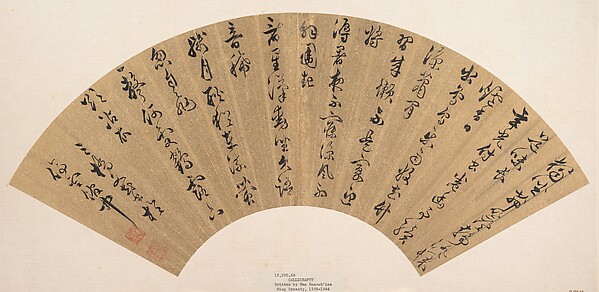
Analects Scene Before The Motto
This block uses Analects, Book 1.8, Xue Er as the anchor, with "子曰:「君子不重則不威;學則不固。主忠信,無友不如己者,過則..." kept in front of the explanation.
A Larger Passage: The correcting line is the final clause of a longer passage. That matters because guo ze wu dan gai is not isolated advice. It belongs to a picture of the junzi whose learning, friendships, and commitments make correction possible.
Gravity And Learning: Junzi bu zhong ze bu wei says that without weightiness or seriousness, the gentleman lacks awe or authority. Xue ze bu gu says learning will not be firm. The passage begins by asking whether a person has enough steadiness to be taught and changed. Correction is therefore not a random final tip. It depends on a settled posture that can receive criticism without collapsing or performing.
Loyalty And Trustworthiness: Zhu zhong xin means taking loyalty and trustworthiness as primary. This connects correction to relational reliability. A person who values zhong and xin cannot treat fault as a private image problem only.
The Friendship Clause: Wu you bu ru ji zhe is difficult in English and should be handled carefully. It can sound like snobbery if detached from self-cultivation. In context, the line warns that one's companions shape one's standards and capacity for correction. The page does not use it to justify contempt for others. It reads the clause as a warning that friendship can either strengthen or weaken the work of becoming correctable.
Conduct, Role, And Key Terms
Do Not Fear Changing: Guo ze wu dan gai is the key phrase. Guo is a fault or error; gai is to change or correct. Wu dan means do not shrink from it. The quote is less about guilt than about not defending a mistake once it has become visible.
Correction Without Performance: The passage does not ask for public self-display. It asks for real change. Correcting oneself is not announcing improvement, and it is not hating oneself for error. It is the disciplined refusal to protect a known fault.
Analects Correcting Oneself Citation Limit: A careful citation may quote the final clause, but should mention that it sits inside Analects 1.8's broader formation of the gentleman. Without that frame, the line can become generic personal-growth advice without loyalty, trustworthiness, and learning. The line is most accurate when used for the courage to change a known fault, not for vague reinvention.
Analects Correcting Oneself Reading Payoff: This page differs from daily reflection because it focuses on changing after a fault is known rather than asking repeated questions each day. It differs from learning from others because correction here is tied to the gentleman's seriousness and companions. The article gives readers a source-safe correction quote without making it shallow self-help.
Keep the term set visible here: junzi, zhong, xin. The reading changes if one of these terms is translated too smoothly.
How To Cite The Saying
Analects Correcting Oneself Source Checkpoint: Keep the speaker, respondent, and Analects book number in view: Analects, Book 1.8, Xue Er, opening with "子曰:「君子不重則不威;學則不固。主忠信,無友不如己者,...". Keep junzi beside the Chinese wording before accepting the readable English. On this page the source anchor is doing real work: it tells the reader where the claim begins, which phrase is being interpreted, and why the explanation should stay narrower than a later proverb or author label.
Analects Correcting Oneself Reader Decision: The practical decision is whether the reader can test whether the English still preserves conduct, relation, and role. Compare junzi with zhong, then ask which English phrase compresses the most. That check blocks the common mistake of flattening Confucius into a one-sentence ethics poster; it also gives the page a finish line, so the reader leaves with a source habit rather than a smoother slogan.
The reading should end in one practical move: Compare this page with daily reflection before using the quote as general self-improvement advice.