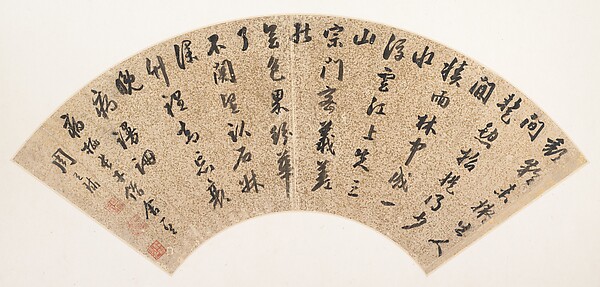
The Teaching Scene
This block uses Analects, Book 13.23, Zi Lu as the anchor, with "子曰:君子和而不同,小人同而不和。" kept in front of the explanation.
Harmony Not Sameness Search Answer: This page now answers the search query by naming the source contrast first. A reader should see the Chinese terms he and tong before the modern application. That keeps the page useful for respectful disagreement, leadership, and ethics searches without flattening the line into either consensus advice or individualist disagreement advice.
Harmony And Sameness: The core contrast is he and tong. He is harmony, fitting together, or concord. Tong is sameness or mere agreement. The line does not praise difference by itself. It says that the cultivated person can maintain principled relation without reducing everyone to the same view. That distinction gives the passage its force and protects it from shallow consensus.
The Junzi Side: Junzi he er bu tong says the gentleman harmonizes but does not merely agree. The junzi can work with difference because his goal is not ego, noise, or conformity. Harmony requires judgment: which differences can be held together, and which forms of agreement would become dishonest?
The Small Person Side: Xiao ren tong er bu he reverses the pattern. The small person may agree, echo, or conform, but that does not produce harmony. Sameness can hide resentment, opportunism, or shallow consensus. The passage warns that visible agreement is not proof of moral or social order.
The Word That Changes The Passage
Not Mere Disagreement: Modern readers sometimes use the line to celebrate disagreement. That is only half right. The junzi does not seek difference as a performance. He seeks harmony while refusing empty sameness. The point is disciplined relation, where difference can be placed without collapsing into faction or flattery.
Political And Social Use: Because the passage sits in a chapter concerned with public roles, it can speak to political and social conduct. A group can appear unified while lacking harmony, or can contain difference while still acting well together. The line therefore helps readers distinguish consensus from concord.
Analects The Gentleman Seeks Harmony Translation Limit: The phrase bu tong is translated as does not merely agree to avoid suggesting that the junzi never shares views with anyone. The point is not permanent disagreement. It is refusal to make sameness the goal. Likewise, bu he is not just disharmony; it is the failure to achieve real fitting relation.
Analects The Gentleman Seeks Harmony Citation Practice: A responsible citation should include Analects 13.23 and keep both halves. Quoting only harmony but not sameness can miss the warning against empty agreement. Quoting only disagreement can miss the goal of harmony. The power of the line is in the mirrored contrast.
Keep the term set visible here: junzi, he, tong. The reading changes if one of these terms is translated too smoothly.
Use The Passage Without Flattening It
Analects The Gentleman Seeks Harmony Reading Payoff: This page differs from broad respectful-disagreement pages because it explains the he/tong contrast and the mirrored junzi/xiao ren structure. It differs from the vessel passage because this line concerns social relation rather than functional reduction. The article gives readers a source-safe way to use the quote without making it a slogan for disagreement alone.
Analects The Gentleman Seeks Harmony Source Checkpoint: Read the passage as a small teaching scene: Analects, Book 13.23, Zi Lu, opening with "子曰:君子和而不同,小人同而不和。". Keep junzi beside the Chinese wording before accepting the readable English. On this page the source anchor is doing real work: it tells the reader where the claim begins, which phrase is being interpreted, and why the explanation should stay narrower than a later proverb or author label.
Analects The Gentleman Seeks Harmony Reader Decision: The practical decision is whether the reader can notice who asks, who answers, and which word carries the correction. Compare junzi with he, then ask which English phrase compresses the most. That check blocks the common mistake of treating a classroom exchange as anonymous advice; it also gives the page a finish line, so the reader leaves with a source habit rather than a smoother slogan.
The reading should end in one practical move: Compare this page with the ritual-as-practice page before using harmony as a conflict or leadership slogan.