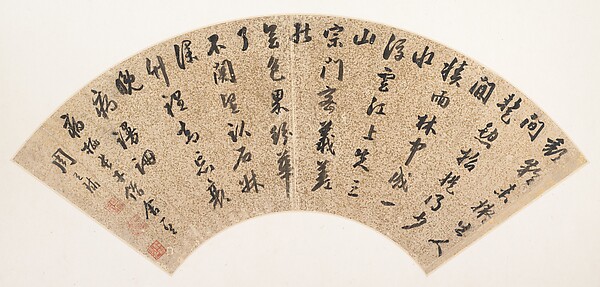
The Teaching Scene
This block uses Analects, Book 19.13, Zi Zhang as the anchor, with "子夏曰:仕而優則學,學而優則仕。" kept in front of the explanation.
Zixia Speaks: This saying is attributed to Zixia, not directly to Confucius. That matters for source care. The Analects includes disciple sayings, and this page keeps the speaker visible. Zixia's line belongs to a later book concerned with learning, office, and transmission. Treating it as a generic Confucius quote would blur the source situation.
Service As Shi: Shi can mean serving in office or taking up public service. The first half begins from service, not private work in general. When service has room beyond its immediate duties, learning should follow. This keeps public responsibility from becoming only administration or status. A person in service remains a learner.
The Meaning Of You: You can suggest surplus, remaining capacity, or excellence beyond immediate demands. The page translates it as surplus capacity to avoid a mechanical reading. The passage does not say to study only after work is finished forever. It asks whether the person has enough steadiness and room to deepen the other side of the practice.
Learning After Service: Shi er you ze xue says that when service has surplus capacity, then learn. Public work can create experience, but experience alone is not enough. Learning interprets, corrects, and deepens service. This half guards against a practical person dismissing study as unnecessary once office or duty begins.
The Word That Changes The Passage
Service After Learning: Xue er you ze shi reverses the direction. When learning has surplus capacity, then serve. Study should not remain self-enclosed. If learning has matured enough to carry responsibility, it should move toward public use. This half guards against a learned person treating study as private possession alone.
A Reversible Pair: The force of the line is its reversible structure. Service and learning are not enemies. Each can lead back into the other when there is capacity. That makes the passage different from simple advice to work more or study more. It asks readers to judge where the next responsible movement belongs.
Analects Service And Learning Citation Limit: A responsible citation should name Zixia and Analects 19.13. It should also keep both halves. Quoting only learning after service can make study secondary to work; quoting only service after learning can make learning a mere credential path. The source line holds the two in rotation.
Analects Service And Learning Reading Payoff: This page differs from public-service passages because it stresses the circulation between office and study rather than leading by example. It differs from love-of-learning because learning is tested by service. The article gives readers a source-based way to connect service and learning without reducing the saying to career advice.
Keep the term set visible here: Zixia, shi, you. The reading changes if one of these terms is translated too smoothly.
Use The Passage Without Flattening It
Analects Service And Learning Source Checkpoint: Read the passage as a small teaching scene: Analects, Book 19.13, Zi Zhang, opening with "子夏曰:仕而優則學,學而優則仕。". Keep Zixia beside the Chinese wording before accepting the readable English. On this page the source anchor is doing real work: it tells the reader where the claim begins, which phrase is being interpreted, and why the explanation should stay narrower than a later proverb or author label.
Analects Service And Learning Reader Decision: The practical decision is whether the reader can notice who asks, who answers, and which word carries the correction. Compare Zixia with shi, then ask which English phrase compresses the most. That check blocks the common mistake of treating a classroom exchange as anonymous advice; it also gives the page a finish line, so the reader leaves with a source habit rather than a smoother slogan.
The reading should end in one practical move: Compare this page with public service and love of learning before using the line as career advice.