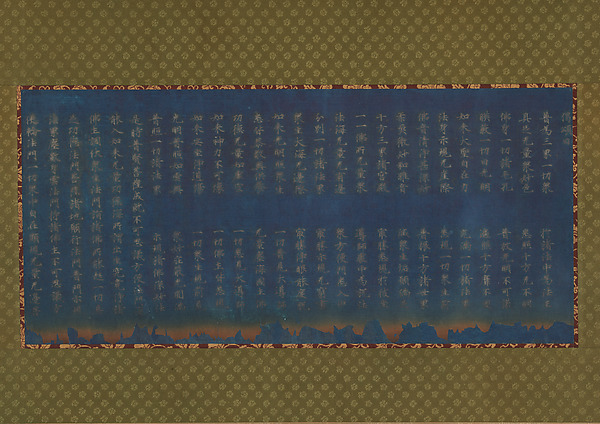
The Teaching Scene
This block uses Analects, Book 6.20, Yong Ye as the anchor, with "子曰:知之者不如好之者,好之者不如樂之者。" kept in front of the explanation.
Love Of Learning Search Answer: The search task is usually simple: a reader wants the Analects wording and an explanation of what love of learning means. This page now answers that directly before longer commentary. The useful distinction is between learning as a cultivated orientation and learning as public display. Keeping that distinction visible helps the reader choose the right related page instead of treating every learning quote as interchangeable.
Three Levels: The passage is built from three levels: zhi, hao, and le. Knowing, loving, and delighting are not synonyms. The structure moves from cognitive possession to affection to joy. A page on love of learning must keep the ladder visible, because the line is not simply saying learning should be fun. It is ranking depths of relation to the object of learning.
Knowing It: Zhi zhi zhe names the person who knows it. This is not dismissed as useless. Knowing is necessary, but the passage says it is not enough. A learner may understand a text, term, or practice without being moved to return to it. Knowledge can remain external. The first comparison exposes that limit.
The Word That Changes The Passage
Loving It: Hao zhi zhe names the one who loves or is fond of it. Love adds attachment. The learner is no longer merely aware of the material; the learner wants it, returns to it, and values it. That is why the page title can speak of love of learning. Still, Analects 6.20 does not stop at love. It says love itself can deepen into joy.
Delighting In It: Le zhi zhe is the highest term in the sentence. Le can mean taking joy or delight. Delight is not shallow amusement. In the Analects setting, joy can belong to practice, music, learning, and formed conduct. The line suggests that the deepest learner participates with joy, so study is no longer only duty or possession.
The Force Of Bu Ru: Bu ru appears twice: is not equal to or does not compare with. The repetition creates the ladder. Knowing does not compare with loving; loving does not compare with delighting. This repeated grammar is the page's central evidence. It prevents the passage from becoming a single sentence about enthusiasm and shows the precise sequence of deepening.
Keep the term set visible here: zhi, hao, le. The reading changes if one of these terms is translated too smoothly.
Use The Passage Without Flattening It
Not Entertainment: Modern readers may hear delight as entertainment. That is too thin. The Analects often treats learning as repeated practice, ethical formation, and relation with others. Delight in this context means the work has become inwardly alive. The line supports better education, but only if joy remains tied to practice rather than distraction.
Analects Love Of Learning Citation Limit: A responsible citation should include all three terms. Quoting only love of learning misses the final movement to delight. Quoting only delight can make the passage sound like pleasure advice without knowledge or love. Analects 6.20 is strongest when the reader sees the ladder from knowing, to loving, to delighting.
Analects Love Of Learning Reading Payoff: This page differs from the opening learning passage because Analects 1.1 emphasizes timely practice, friends, and composure without recognition, while Analects 6.20 ranks inner relation to what is learned. It differs from teaching-without-weariness because the focus here is the learner's attachment. The article gives readers a source-based way to speak about love of learning without losing the final step into delight.
The reading should end in one practical move: Compare this love-of-learning page with the joy-of-learning and warm-the-old passages before citing Confucian learning.