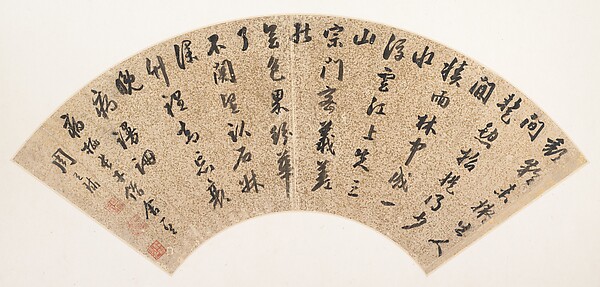
The Teaching Scene
This block uses Analects, Book 3.4, Ba Yi as the anchor, with "林放問禮之本。子曰:大哉問!禮,與其奢也,寧儉;喪,與其易也..." kept in front of the explanation.
Lin Fang's Question: Lin Fang asks about li zhi ben, the root of ritual. The word ben matters because the question is not about surface etiquette. It asks what ritual depends on. Confucius calls the question great before answering, which signals that the foundation of ceremony is more important than impressive performance. The page keeps the question visible so the answer does not sound like casual preference for simplicity.
Ritual And Extravagance: Li, yu qi she ye, ning jian contrasts extravagance and frugality. She suggests lavishness or display; jian suggests restraint, economy, or plainness. Confucius does not say ritual should be careless or empty. He says that if the choice is between expensive display and restrained practice, restraint is nearer the root.
Mourning As A Test: The second contrast concerns sang, mourning. Mourning is a place where form and feeling can come apart. A ceremony may be smooth, proper, and socially impressive while failing to carry grief. The passage chooses grief over ease because mourning without grief has lost the very feeling it is meant to express and discipline.
Rather Grief Than Ease: Yu qi yi ye, ning qi is difficult because yi can suggest ease, smoothness, or being at ease, while qi is grief or sorrow. The page translates with smooth ease to show the danger: mourning can become too polished. The line does not glorify emotional excess. It says grief is closer to the root of mourning than a graceful performance with no sorrow inside it.
The Word That Changes The Passage
Not Anti-Ritual: A shallow reading says Confucius prefers feeling over ritual. That is not precise. The question is about the root of ritual, not whether ritual should be abandoned. The answer repairs ritual by pointing it back to restraint and genuine mourning. Ritual remains important, but its public form must not outrun the inner and relational substance it serves.
Relation To Family Ethics: Mourning in the Analects is tied to family, memory, and moral formation. This page is therefore close to filial-conduct passages, but it is not the same. Filial conduct asks how one serves parents and elders; Analects 3.4 asks how ritual form should remain rooted when grief is at stake. The focus is the relation between ceremony and sincerity.
Analects Ritual After Grief Citation Limit: A responsible citation should include Lin Fang's question and both contrasts. If only frugality is quoted, the mourning clause disappears. If only grief is quoted, the ritual-root question disappears. Analects 3.4 is strongest when the reader sees how Confucius distinguishes root from display in both ceremony and mourning.
Analects Ritual After Grief Reading Payoff: This page differs from ritual-as-practice pages because it focuses on the root of ritual rather than ritual's everyday social use. It differs from filial-conduct pages because grief and mourning are the central test. The article gives readers a source-based way to explain why ritual should be restrained and emotionally truthful rather than merely elaborate.
Keep the term set visible here: li, ben, jian. The reading changes if one of these terms is translated too smoothly.
The reading should end in one practical move: Compare this page with ritual as practice and filial conduct before using it as a general claim about ceremony.