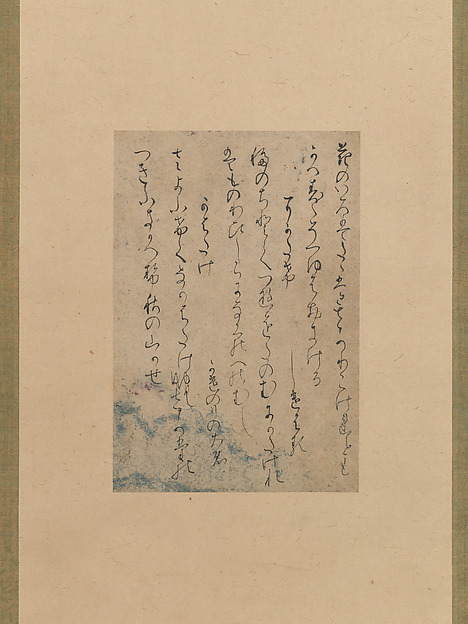
The Teaching Scene
This block uses Analects, Book 1.8, Xue Er as the anchor, with "子曰:君子不重則不威;學則不固。主忠信,無友不如己者,過則勿..." kept in front of the explanation.
The Whole Saying: The final clause about mistakes is often quoted alone, but Analects 1.8 is a chain of formation. It moves from the gentleman's gravity, to firm learning, to loyalty and trustworthiness, to friendship, and only then to changing faults. The page keeps that sequence because correction makes better sense inside a life that can bear correction.
Weight And Dignity: Junzi bu zhong ze bu wei says that if the gentleman is not weighty, he will not have authority or dignity. Zhong here is not heaviness in a crude sense. It is seriousness, steadiness, and moral weight. Without that gravity, learning can become scattered and correction can become another passing mood.
Learning Must Be Firm: Xue ze bu gu is difficult in context, but the line connects learning with firmness. A person who lacks seriousness may not have solid learning. This matters for the final clause. Changing a fault is not self-reinvention for its own sake. It belongs to learning that can hold together long enough to notice error.
The Word That Changes The Passage
Loyalty And Trustworthiness: Zhu zhong xin asks the reader to make loyalty and trustworthiness central. Zhong and xin are not decorative virtues here. They provide the moral environment in which correction is possible. If one's center is not trustworthy, changing a visible mistake may become performance rather than genuine amendment.
Friendship And Correction: The friendship clause is often debated in translation, but in this page it is read cautiously: companionship shapes the person who learns. Friends are not accessories to self-improvement. They are part of the setting in which faults are noticed, named, and corrected. That is why this passage belongs near friendship-and-correction pages.
Do Not Fear Change: Guo ze wu dan gai means that when there is a fault, do not dread or shrink from changing it. The force is practical. The passage does not say never make mistakes. It says the decisive failure would be clinging to a fault once it is seen. Change is treated as a necessary part of learning.
Keep the term set visible here: junzi, zhong, zhong xin. The reading changes if one of these terms is translated too smoothly.
Use The Passage Without Flattening It
Not A Perfection Slogan: This line should not be used to pretend that noble people have no faults. The wording assumes faults occur. The test is whether a person is willing to alter course. Read with the earlier clauses, correction requires seriousness, trustworthiness, and companions who do not make self-deception easier.
Analects Making Mistakes And Changing Later Citation Limit: A responsible citation should identify Analects 1.8 and, when possible, quote more than the final clause. The famous advice about changing faults is stronger when readers see what surrounds it. The source frames correction as one part of becoming a steady learner and trustworthy person.
Analects Making Mistakes And Changing Reading Payoff: This page differs from the correcting-oneself quote page because it reads the whole Analects 1.8 sequence rather than only the final maxim. It differs from daily self-examination because the focus is changing a fault after it is seen, not the daily review process. The article gives readers a source-based way to explain mistake and change without turning the line into empty self-help.
The reading should end in one practical move: Compare this page with correcting oneself and daily self-examination before using the line as advice about mistakes.