The Poem Before Paraphrase
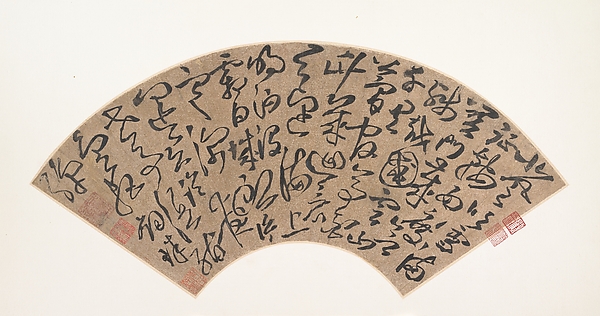
This block uses Parting, Wang Wei, Tang poem also known as 山中送別 as the anchor, with "山中相送罷,日暮掩柴扉。春草明年綠,王孫歸不歸。" kept in front of the explanation.
Full Poem: The page uses all four lines because the poem depends on sequence. The sending-off is already finished, dusk closes the day, the brushwood gate shuts, and only then does the poem turn toward next year's spring grass. The return question would feel thinner if the mountain dusk and gate action were omitted.
After The Farewell: Shan zhong xiang song ba means that in the mountains the farewell has ended. The poem does not stage the moment of parting itself. It begins in the afterspace, when the guest has gone and the host remains. That choice makes the poem quiet and retrospective rather than theatrical.
Dusk And The Gate: Ri mu yan chai fei gives one small action: at dusk the speaker closes the brushwood gate. Chai fei is humble and rural, not a palace door. The action is ordinary, but it carries the emotional weight of separation. Closing the gate marks the return to solitude after social presence has left.
Spring Grass Next Year: Chun cao ming nian lu moves suddenly from dusk to the next spring. Grass is not only scenery. Its annual return gives the poem a natural clock. The speaker imagines the world becoming green again and uses that seasonal renewal to ask whether human return will match it.
Images, Sound, And Emotional Turn
Wang Sun: Wang sun can mean noble descendant or a refined way to address the traveler. In many farewell poems it carries a literary tone more than a literal title. The page keeps traveler in the readable translation but leaves wang sun visible so readers can feel the inherited diction of parting.
Return Or Not: Gui bu gui is a bare question: return or not return? The poem does not answer. That restraint matters. The speaker does not command, plead, or predict. He places the question beside next year's grass, allowing seasonal certainty and human uncertainty to stand together.
Wang Wei's Parting Translation Limit: A careful translation should not overfill the poem with explicit sadness. The source text is sparse: mountain, completed farewell, dusk, brushwood gate, spring grass, return question. The feeling comes from those placements. Adding too much explanation inside the translated lines would make the poem less Wang Wei-like.
Wang Wei's Parting Reading Payoff: This page differs from Deer Enclosure because the sparse mountain scene here is shaped by social departure rather than hidden voices and returning light. It differs from Quiet Night Thoughts because longing is projected into next year's seasonal return rather than toward home under the moon. The article gives readers a source-based way to read the poem's restraint.
Keep the term set visible here: shan zhong, xiang song, chai fei. The reading changes if one of these terms is translated too smoothly.
Translation Choices To Keep Visible
Wang Wei's Parting Source Checkpoint: Let the poem move line by line before paraphrase begins: Parting, Wang Wei, Tang poem also known as 山中送別, opening with "山中相送罷,日暮掩柴扉。春草明年綠,王孫歸不歸。". Keep shan zhong beside the Chinese wording before accepting the readable English. On this page the source anchor is doing real work: it tells the reader where the claim begins, which phrase is being interpreted, and why the explanation should stay narrower than a later proverb or author label.
Wang Wei's Parting Reader Decision: The practical decision is whether the reader can watch image order, sound, and the emotional turn. Compare shan zhong with xiang song, then ask which English phrase compresses the most. That check blocks the common mistake of summarizing the feeling before seeing how the lines create it; it also gives the page a finish line, so the reader leaves with a source habit rather than a smoother slogan.
The reading should end in one practical move: Compare this page with Deer Enclosure and Quiet Night Thoughts before using the poem as a generic farewell quote.