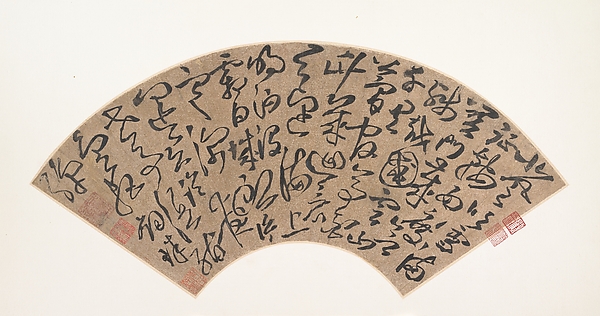
The Poem Before Paraphrase
This block uses Spring River Flower Moon Night, Zhang Ruoxu, 春江花月夜 as the anchor, with "春江潮水連海平,海上明月共潮生。灩灩隨波千萬里,何處春江無月..." kept in front of the explanation.
Full Text: The page uses the long received poem because the famous title only names the surface. The poem's force depends on sequence: tide and moon, river and flowering woods, cosmic questions, cloud and sorrow, upstairs longing, a traveler on a boat, dream of falling blossoms, and the final moon sinking into mist.
Tide And Moon: The opening makes the river tide level with the sea and lets the moon rise together with the tide. That pairing matters. The moon is not a small decoration above the scene; it moves with the water and extends the river's reach across great distance.
River And Time: The questions about who first saw the moon and when the river moon first shone on people shift the poem from scenery into time. Human generations continue without end, but the river moon appears similar year after year. The page keeps this philosophical turn central rather than treating it as background mood.
Shared Light, No Contact: Ci shi xiang wang bu xiang wen is one of the poem's emotional pivots. People may look toward the same moonlight, but they cannot hear one another. The moon connects them visually and fails to join them socially. That tension explains why the longing sections do not feel like ordinary complaint.
Images, Sound, And Emotional Turn
Boat And Tower: The poem divides longing between the traveler in a small boat and the person in a moonlit tower. The boat suggests movement without arrival; the tower suggests waiting without contact. Reading both figures together prevents a one-sided romantic summary.
Dream And Return: The later lines bring falling blossoms, spring half gone, and a home not yet reached. The dream does not solve separation. Instead, it shows time slipping away while the river carries spring toward its end. The falling moon repeats that sense of beautiful loss.
Zhang Ruoxu's river moon Translation Limit: This working translation gives only a close prose rendering of key movement because the poem is long and highly musical. It keeps the moon, tide, river, cloud, tower, boat, dream, road, and tree images in order so readers can compare the English explanation with the Chinese text.
Zhang Ruoxu's river moon Reading Payoff: This page differs from Li Bai's Quiet Night Thoughts because Zhang Ruoxu turns moonlight into an entire river-cosmic structure rather than a small room gesture. It differs from Zhang Ji's night mooring because this poem spreads longing across many figures and spaces. The article gives readers a source-based way to read the title without reducing it to pretty moon scenery.
Keep the term set visible here: chun jiang, ming yue, jiang yue. The reading changes if one of these terms is translated too smoothly.
Translation Choices To Keep Visible
Zhang Ruoxu's river moon Source Checkpoint: Let the poem move line by line before paraphrase begins: Spring River Flower Moon Night, Zhang Ruoxu, 春江花月夜, opening with "春江潮水連海平,海上明月共潮生。灩灩隨波千萬里,何處春江...". Keep chun jiang beside the Chinese wording before accepting the readable English. On this page the source anchor is doing real work: it tells the reader where the claim begins, which phrase is being interpreted, and why the explanation should stay narrower than a later proverb or author label.
Zhang Ruoxu's river moon Reader Decision: The practical decision is whether the reader can watch image order, sound, and the emotional turn. Compare chun jiang with ming yue, then ask which English phrase compresses the most. That check blocks the common mistake of summarizing the feeling before seeing how the lines create it; it also gives the page a finish line, so the reader leaves with a source habit rather than a smoother slogan.
The reading should end in one practical move: Compare this page with Li Bai's Quiet Night Thoughts before treating all moon poems as the same kind of homesickness.