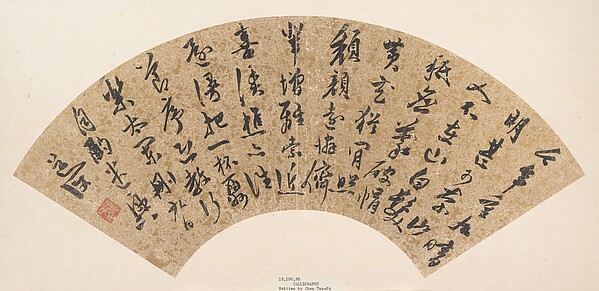
The Poem Before Paraphrase
This block uses Out of the Passes, Wang Changling, 出塞二首 一 as the anchor, with "秦時明月漢時關,萬里長征人未還。但使龍城飛將在,不教胡馬度陰..." kept in front of the explanation.
Full Text: The page uses the complete four-line poem because the first couplet and second couplet need each other. Ancient moon and passes establish historical duration. Long campaigns establish human cost. The wish for the Flying General then answers a problem already made large by time and distance.
Qin Moon And Han Pass: Qin shi ming yue Han shi guan is not a literal archaeological statement about one moon and one pass. It layers dynastic memory onto the frontier. The moon and pass make the border feel old, repeated, and unresolved. The line gives the poem historical depth before any soldier is named.
Long Campaigns: Wan li chang zheng ren wei huan brings the cost into view. The campaigns stretch across great distance, and people have not returned. The poem does not pause to describe individual families. It uses scale and absence to make the frontier problem human.
Images, Sound, And Emotional Turn
The Conditional Wish: Dan shi introduces a wish: if only the Longcheng Flying General were present. The grammar matters because the line is not a report that the defender is there. It is a desire for a figure who could change the repeated pattern of loss and invasion.
Flying General: Fei Jiang evokes the famous frontier defender associated with speed and military excellence. The page keeps the title partly visible because translating it only as general would flatten the allusion. The poem needs a legendary defender, not merely a generic officer.
Yinshan Boundary: Yinshan is the mountain boundary that the Hu horses should not cross. The final line turns geography into security. The poem imagines a border held firmly enough that invasion does not break through. That wish should be read beside the earlier line about people not returning.
Keep the term set visible here: Qin, Han, chang zheng. The reading changes if one of these terms is translated too smoothly.
Translation Choices To Keep Visible
Not A Simple War Slogan: The poem can be used in patriotic contexts, but the text itself is more precise than a slogan. It begins with repeated historical time and missing people before it imagines a defender. That order keeps the poem from sounding like pure triumph. The wish for strength is rooted in long absence and border grief.
Wang Changling's frontier song Translation Limit: This working translation keeps Qin, Han, Longcheng, Flying General, Hu horses, and Yinshan visible. Smoothing all of those into general English would make the poem easier but less source-aware. The page explains the terms so readers can quote the poem without erasing its historical frame.
Wang Changling's frontier song Reading Payoff: This page differs from Cen Shen's frontier snow because Wang Changling compresses border memory into four lines rather than narrating a farewell scene. It differs from River Snow because its emptiness is historical absence, not winter silence. The article gives readers a source-based way to understand the poem's defense wish without reducing it to a loose war slogan.
The reading should end in one practical move: Compare this page with Cen Shen's frontier snow poem before using frontier poetry as a simple military slogan.