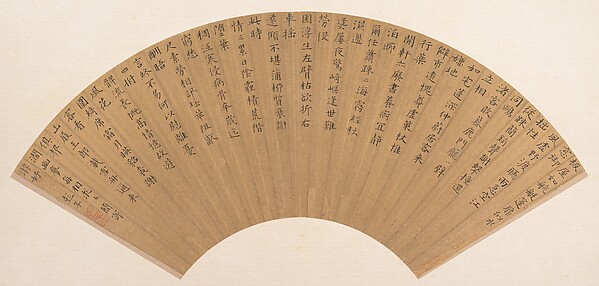
The Chapter's Opening Move
This block uses Tao Te Ching, Chapter 18 as the anchor, with "大道廢,有仁義;智慧出,有大偽;六親不和,有孝慈;國家昏亂,..." kept in front of the explanation.
The Great Way Abandoned: Da dao fei opens the chapter with loss. The great Dao is abandoned or falls away, and then ren and yi appear. This does not mean kindness and rightness are worthless in every sense. It means that when the deeper Way is no longer functioning, moral categories become visible as named repairs.
Benevolence And Righteousness: Ren yi are major moral terms, especially in Confucian contexts. Chapter 18 is provocative because it treats their appearance as a sign of decline. The page keeps that tension without exaggerating it. Laozi's criticism is not that humane conduct is bad, but that named virtue may arrive after living order has already been damaged.
Wisdom And Falseness: Zhi hui chu, you da wei moves from moral names to cleverness. When wisdom and intelligent display emerge, great falseness appears. The problem is not careful understanding. It is the kind of cleverness that produces performance, manipulation, or counterfeit order. The page separates reflective wisdom from clever display because chapter 19 will push this problem further.
Six Kin Not Harmonious: Liu qin bu he names disorder within kinship relations. Only then do xiao and ci become highlighted: filial devotion and parental kindness. The line is easy to misread as anti-family. A better reading sees the diagnostic pattern: when family harmony is intact, its virtues may not need to be advertised as emergency labels.
Contrast And Reversal Inside The Chapter
State Disorder: Guo jia hun luan moves to political darkness and disorder. In that condition, zhong chen, loyal ministers, appear. The chapter is not insulting loyal ministers; it is noticing that loyalty becomes dramatic when the state is already in trouble. A stable order would not need crisis loyalty to become the central sign of virtue.
A Pattern Of Symptoms: Each line has the same shape: when a larger pattern fails, a named virtue or corrective role becomes prominent. That skeleton is the chapter's real argument. It asks readers to look behind public virtue language and ask what loss made the label necessary. This is more subtle than saying virtue is fake.
Reading With Confucius Nearby: Because ren, yi, xiao, and zhong have strong Confucian resonance, chapter 18 should be read carefully. It is a Daoist challenge to moral naming, not a full summary of Confucian ethics. The useful comparison is to ask whether named virtue is cultivating life or compensating for the failure of a deeper order.
Tao Te Ching Chapter 18: When The Great Way Declines Explained Reading Payoff: This page differs from chapter 17 because chapter 17 ranks rulerly visibility and trust, while chapter 18 diagnoses virtue terms after decline. It differs from chapter 19 because chapter 19 gives a more radical set of renunciations and a plainness remedy. Chapter 18 is the symptom page: it teaches readers to notice what moral language may be compensating for.
Keep the term set visible here: da dao, ren yi, da wei. The reading changes if one of these terms is translated too smoothly.
The reading should end in one practical move: Compare this page with chapter 19 before using Laozi's criticism of virtue language as a simple anti-ethics slogan.