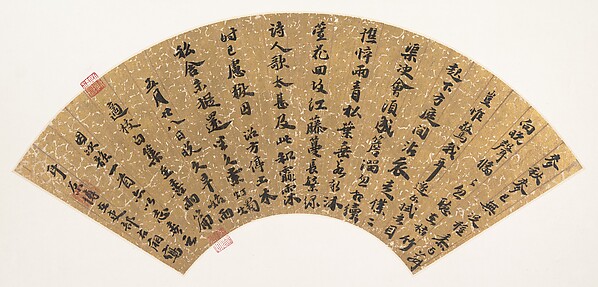
The Source Pair Behind The Theme
This block uses Analects and Tao Te Ching, Analects 2.11 and Tao Te Ching 48 as the anchor, with "《論語》:溫故而知新,可以為師矣。《道德經》:為學日益,為道..." kept in front of the explanation.
Confucian Return To The Old: The Analects line is compact, but it gives a strong educational method. Wen gu is not nostalgia for old material. It means returning to what has been received until it becomes warm, active, and available for new understanding. Zhi xin then names the fresh recognition that can come from disciplined return. Teaching is authorized by that movement, not by novelty alone.
Laozi's Decrease: Tao Te Ching 48 is often quoted as if learning were bad. The chapter is more exact. It contrasts the daily increase of learning with the daily decrease of pursuing the Dao. The problem is not careful study; the problem is excess, grasping, and forced management. Decrease continues until wu wei becomes possible, which is action without coercive strain.
Two Educational Tests: The paired reading gives two tests for education. The Confucian test asks whether old material has been understood well enough to disclose something new. The Daoist test asks whether accumulation has become clutter that blocks simpler action. One tradition trusts layered study; the other asks what must be reduced. Neither supports lazy anti-intellectualism.
Where A Quote Card Misleads: If Analects 2.11 is shortened to learn from the past, it loses the teacher test. If Tao Te Ching 48 is shortened to learning adds, Dao subtracts, it can sound like a slogan against education. This page keeps the verbs visible: warm, know, increase, decrease, reach. The verbs show that both passages describe a practice, not a mood.
What The Comparison Changes
Use In A Study Path: For students, the practical question is when to reread and when to simplify. Use the Analects line when explaining how tradition can become alive through careful return. Use the Tao Te Ching line when explaining why more notes, more clever categories, or more control may not improve understanding. The strongest reading lets both pressures remain.
simplicity and education: Classical Chinese Wisdom with Sources Reading Payoff: This page is not another learning quote page. It compares education as warmed inheritance with simplicity as disciplined reduction. That difference makes the page useful for readers who want classical Chinese wisdom without turning either tradition into a modern productivity formula.
Increase And Decrease Together: The page needs both verbs because the tradition is not offering one educational slogan. Increase names the work of gathering distinctions, rereading inherited material, and becoming able to teach. Decrease names the work of removing grasping, clutter, and forced control. A reader who only values increase becomes overburdened; a reader who only values decrease may excuse laziness. The source-based reading keeps them in tension.
simplicity and education: Classical Chinese Wisdom with Sources Reader Test: A reader should leave with two practical questions. When I study an old passage, what new understanding has actually appeared? When I simplify, what excess has actually been reduced? If the answer cannot point to the source words wen gu, zhi xin, ri yi, or ri sun, the modern application is floating away from the text. This check keeps simplicity tied to education rather than style.
Keep the term set visible here: wen gu, zhi xin, xue. The reading changes if one of these terms is translated too smoothly.
The reading should end in one practical move: After simplicity and education: Classical Chinese Wisdom with Sources, read Analects Passage on Warm The Old And Know The New for the primary source anchor, then Learning Versus Cleverness for contrast; decide whether wen gu belongs to a quote, chapter, term page, or reading habit before following the theme further.