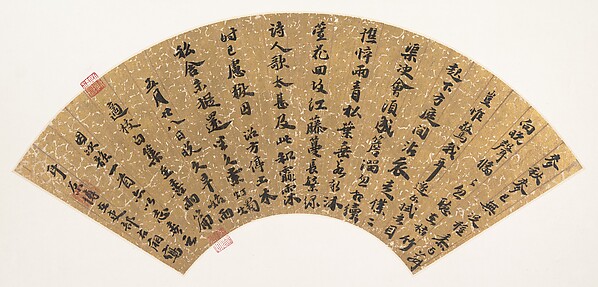
The Source Pair Behind The Theme
This block uses Analects and Tao Te Ching, Analects 2.1 and Tao Te Ching 17 as the anchor, with "《論語》:為政以德,譬如北辰,居其所而眾星共之。《道德經》:..." kept in front of the explanation.
Why These Two Passages Belong Together: The comparison works because both passages discuss rule without starting from technique. Confucius begins with de, virtue or moral power, and makes political order depend on the ruler's settled center. Laozi begins by ranking forms of rule and places the least intrusive form highest. A reader searching leadership should see that both traditions distrust mere control, but they do not define ideal presence in the same way.
Confucian Center: The Analects image of the northern star is not a command-and-control image. The star stays in its place, and the surrounding stars orient themselves around it. That makes the ruler's conduct public, stable, and exemplary. The passage is short, but it gives a strong test for interpretation: if the leader must constantly force compliance, the image has failed.
Daoist Lightness: Tao Te Ching 17 gives a ladder of rule: barely known, loved and praised, feared, then despised. The order matters. Laozi is not simply saying that rulers should be popular. Praise is already a lower condition than quiet sufficiency. The best rule leaves people able to say that the outcome arose of itself, which keeps ziran near the center of the reading.
Where The Comparison Can Mislead: It is tempting to turn the two passages into a single slogan about humble leadership. That loses the difference. Confucius still trusts visible moral cultivation and social orientation. Laozi is more suspicious of visible governing presence, even when the response is admiration. The comparison should therefore show a tension between exemplary center and unobtrusive ordering.
What The Comparison Changes
Use In Essays Or Teaching: For citation, name Analects 2.1 when discussing virtue as political orientation, and Tao Te Ching 17 when discussing rule that becomes almost invisible. The page should not cite either passage as a modern management formula. It gives an entry point for comparing de, political presence, public recognition, and the different ways early texts imagine order.
Laozi and Confucius on leadership: Classical Chinese Wisdom with Sources Reading Payoff: This page differs from a Laozi quote page because it is not explaining one Daoist line, and it differs from a Confucius quote page because it does not stop with the northern star image. Its value is the paired reading: two compact source passages, two models of presence, one careful boundary between moral example and light-touch rule.
Why Recognition Is A Test: Recognition works differently in the two passages. In Analects 2.1, the ruler's virtue becomes publicly orienting, so people turn toward it as stars turn around the northern star. In Tao Te Ching 17, public recognition already marks a lower form of rule than quiet sufficiency. That difference gives the page its central question: when does visibility support order, and when does visibility become interference?
Laozi and Confucius on leadership: Classical Chinese Wisdom with Sources Reader Test: A reader should leave this page able to cite one Confucian leadership image and one Daoist leadership ranking without blending them. If the answer becomes only lead humbly, the comparison has failed. The better answer is sharper: Confucius trusts stable exemplary virtue as a public center, while Laozi distrusts rulers who need praise, fear, or constant notice to prove that order exists.
Keep the term set visible here: de, wei zheng, bei chen. The reading changes if one of these terms is translated too smoothly.
The reading should end in one practical move: After Laozi and Confucius on leadership: Classical Chinese Wisdom with Sources, read Analects Passage on Lead With Virtue for the primary source anchor, then Tao Te Ching Chapter 17 for contrast; decide whether de belongs to a quote, chapter, term page, or reading habit before following the theme further.