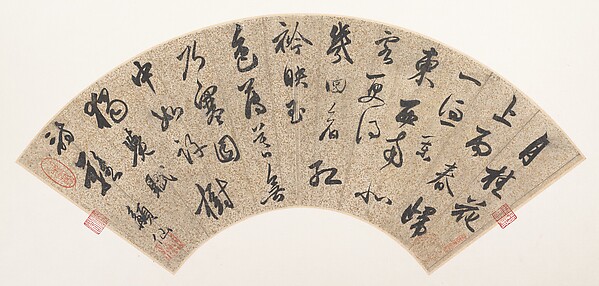
The Source Pair Behind The Theme
This block uses Analects and Tao Te Ching, Analects 1.12 and Tao Te Ching 25 as the anchor, with "《論語》:禮之用,和為貴。先王之道,斯為美;小大由之。《道德..." kept in front of the explanation.
Ritual Is Not Empty Formality: The Analects line li zhi yong, he wei gui is sometimes quoted as if ritual simply means pleasant harmony. The full passage is stricter. Harmony is precious, but ritual still gives measure. If one knows only harmony and pursues harmony without regulating it through ritual, the passage says that will not work. This keeps li from becoming either dead formality or loose friendliness.
Naturalness Is Not Mere Impulse: The Laozi line dao fa ziran is often translated as the Dao follows nature, but ziran is not simply a modern idea of outdoor nature. It points to what is self-so, arising by its own pattern. Chapter 25 puts humans, earth, heaven, Dao, and ziran in a sequence, so naturalness here is a cosmic ordering word, not permission to follow every impulse.
Two Kinds Of Measure: The useful comparison is not ritual versus freedom. Analects 1.12 gives social measure: ritual keeps harmony from becoming shapeless. Tao Te Ching 25 gives ontological measure: human action should model itself through earth, heaven, Dao, and ziran. Both passages are suspicious of forced conduct, but they locate the corrective in different places.
What The Comparison Changes
Where Readers Flatten The Contrast: A shallow summary says Confucius is artificial and Laozi is natural. That misses both texts. Confucian ritual aims at embodied, timely, relational order, not hollow ceremony. Daoist naturalness is not anti-form chaos; it names a deeper pattern that social striving often obscures. The page exists to keep that nuance visible for English readers.
Use In A Comparison Essay: Use Analects 1.12 when the question is how shared forms can create harmony without losing restraint. Use Tao Te Ching 25 when the question is how human action belongs to a larger pattern beyond social convention. The contrast becomes strongest when li and ziran are allowed to remain difficult terms rather than being translated away too quickly.
ritual and naturalness: Classical Chinese Wisdom with Sources Reading Payoff: This page gives a theme-level bridge between a Confucian ritual passage and a Daoist naturalness passage. It is not a concept entry for li or ziran alone. Its value is the comparison of two forms of order: one social and practiced, the other cosmic and self-so.
Keep the term set visible here: li, he, dao. The reading changes if one of these terms is translated too smoothly.
How To Keep The Theme Honest
Harmony Needs A Brake: The Analects passage is more cautious than the short quote suggests. Harmony is precious, but harmony pursued for its own sake can fail if it is not regulated by ritual. This gives the page a concrete Confucian reading: li is not decoration, and he is not mere agreement. The valuable form is ordered harmony, where shared conduct gives feeling a shape that can be trusted.
Ziran Needs A Chain: The Tao Te Ching line also needs its chain. Humans model earth, earth models heaven, heaven models Dao, and Dao models ziran. If a reader quotes only Dao follows nature, the relational structure disappears. The page keeps the sequence visible so naturalness does not become a modern slogan about doing whatever feels spontaneous. Ziran is the end of a disciplined cosmological comparison.
ritual and naturalness: Classical Chinese Wisdom with Sources Reader Test: A reader should be able to say why ritual and naturalness are not simply enemies. Ritual gives social measure to harmony; ziran names a deeper self-so pattern beyond social striving. The useful tension is between practiced form and source-like order, not between fake culture and real nature. That nuance is the reason this page belongs in the theme family.
The reading should end in one practical move: After ritual and naturalness: Classical Chinese Wisdom with Sources, read Li Zhi Yong He Wei Gui for the primary source anchor, then Dao Fa Zi Ran for contrast; decide whether li belongs to a quote, chapter, term page, or reading habit before following the theme further.