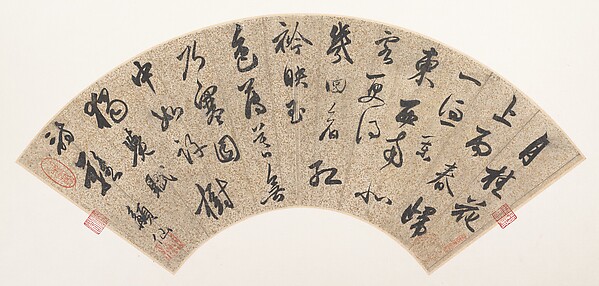
The Source Pair Behind The Theme
This block uses Tao Te Ching and Mencius, Tao Te Ching 25 and Mencius 2A.6 as the anchor, with "《道德經》:人法地,地法天,天法道,道法自然。《孟子》:惻隱..." kept in front of the explanation.
Laozi's Chain Of Modeling: The Tao Te Ching line does not begin with private moral feeling. Humans model earth, earth models heaven, heaven models Dao, and Dao models ziran. This chain places human conduct inside a larger order. Nature here is not a scenery word. It is a term for self-so ordering that human action should not violate by forcing itself to the center.
Mencius And Moral Sprouts: Mencius 2A.6 works differently. It begins from xin, the heart-mind, and names moral beginnings: compassion as the sprout of ren, shame and dislike as the sprout of yi. These sprouts are not finished virtues. They are beginnings that must be preserved, extended, and cultivated. Moral practice therefore grows from tendencies that are present but incomplete.
Two Uses Of Natural Language: The comparison is useful because both passages can be called natural, but they mean different things. Laozi's ziran points to self-so order beyond social striving. Mencius's sprouts point to moral beginnings inside human affective life. One asks the reader to model a larger pattern; the other asks the reader not to damage or neglect early moral responses.
What The Comparison Changes
Where The Comparison Misleads: A shallow reading says both texts teach be natural. That loses the work of both sources. Laozi is not simply saying follow your feelings. Mencius is not simply saying morality is automatic. The first passage needs the chain of earth, heaven, Dao, and ziran. The second needs cultivation of sprouts into stable virtues.
nature and moral practice: Classical Chinese Wisdom with Sources Translation Pressure: Fa can mean model, follow, or take as standard. Ziran is often translated as nature, but self-so better preserves the source pressure. Duan means sprout, beginning, or tip, and xin is heart-mind rather than only emotion. These terms make the page more precise than a general essay about nature and ethics.
nature and moral practice: Classical Chinese Wisdom with Sources Reader Test: A reader should be able to say which passage gives a chain and which gives sprouts. If both are summarized as nature tells us to be good, the page has failed. The better reading is that nature can mean a larger pattern of self-so modeling or the early beginnings of moral response, depending on the source.
Keep the term set visible here: ziran, fa, xin. The reading changes if one of these terms is translated too smoothly.
How To Keep The Theme Honest
nature and moral practice: Classical Chinese Wisdom with Sources Reading Payoff: This page differs from a ziran concept page or a Mencius moral psychology page because it compares the two uses directly. It gives English readers a clear boundary: Daoist naturalness and Mencian moral beginnings can speak to each other, but they should not be collapsed into one doctrine.
Cultivation After Beginning: The Mencius passage is especially easy to flatten because sprouts sound naturally good. But sprouts are beginnings, not completion. Compassion and shame-dislike need attention, extension, and protection from neglect. This makes Mencius different from a simple claim that humans are already fully moral by nature. Moral practice begins from something real, then depends on cultivation.
Why The Comparison Matters: Putting Tao Te Ching 25 beside Mencius 2A.6 helps readers avoid two mistakes. One mistake turns ziran into personal spontaneity. The other turns moral sprouts into automatic virtue. The comparison shows that classical appeals to nature can be about a cosmic pattern, an ethical beginning, or a disciplined practice of not damaging what is already starting to grow.
The reading should end in one practical move: After nature and moral practice: Classical Chinese Wisdom with Sources, read Dao Fa Zi Ran for the primary source anchor, then Ren in Classical Chinese Thought for contrast; decide whether ziran belongs to a quote, chapter, term page, or reading habit before following the theme further.