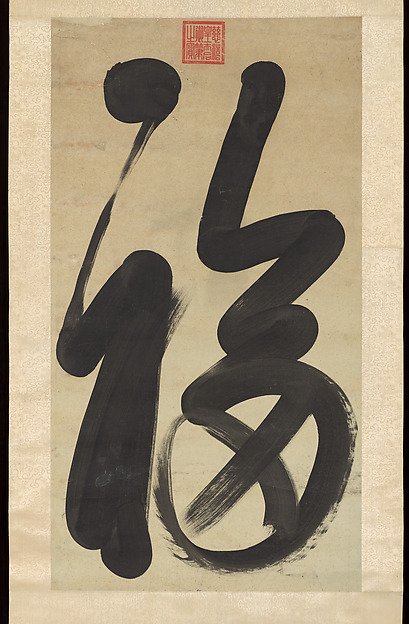
The Source Pair Behind The Theme
This block uses Tao Te Ching and Li Bai, Tao Te Ching 1 and Li Bai, Quiet Night Thoughts as the anchor, with "《道德經》:道可道,非常道。名可名,非常名。李白《靜夜思》:..." kept in front of the explanation.
Why Keep The Chinese Visible: The Chinese line is the first object of study. Even readers who do not know classical Chinese can notice repeated graphs, line breaks, and key terms. In Tao Te Ching 1, dao and ming repeat in ways no single English wording can fully carry. Seeing the Chinese prevents the English from pretending to be the whole source.
What Pinyin Can And Cannot Do: Pinyin helps readers pronounce modern Mandarin approximations and recognize repeated sounds, but it is not a substitute for the characters or a reconstruction of ancient pronunciation. The site should present pinyin as a reading aid, not as the source itself. That boundary matters for both philosophical prose and poetry.
Literal Before Readable: A literal layer protects structure. It can show where the Chinese repeats a word, leaves a relation compact, or moves image by image. A readable translation then helps the sentence live in English. If the readable version comes first and hides the literal pressure, the reader may never see what choices were made.
Line Order In Poetry: Li Bai's line shows why bilingual reading is not only vocabulary. The movement from raising the head to lowering the head is part of the poem's meaning. If an English paraphrase begins with homesickness, it may be emotionally clear but structurally premature. The bilingual habit asks how the Chinese order creates the feeling.
What The Comparison Changes
A Practical Four-Step Habit: First, read the Chinese line and mark repeated or key graphs. Second, use pinyin to hear the line without treating sound as full meaning. Third, read a literal translation for structure. Fourth, read the readable translation and ask what it smoothed. This habit keeps source respect and accessibility together.
bilingual reading habits: Classical Chinese Wisdom with Sources Reader Test: A reader should be able to point to one thing the Chinese layer shows that the English layer cannot show alone. It may be repetition, line order, compact grammar, or a key term like dao. If nothing is gained by keeping the Chinese visible, the page has not done enough source work.
Do Not Let Pinyin Replace Reading: Pinyin is helpful because it gives a pronounceable path into the line, but it can also create a false sense of access. The characters still carry the written structure, and the translation still carries interpretive choices. A reader who only reads pinyin may hear the line but miss repetition, visual parallels, and the difference between a word kept as a term and a word translated away.
Reader Check For Four Layers: A page has done its bilingual job when the reader can say what each layer contributed. Chinese shows the source shape. Pinyin supports pronunciation. Literal translation shows structure and pressure. Readable translation gives usable English. If any layer merely repeats another layer without a purpose, the page should be revised until the layers have distinct jobs.
Keep the term set visible here: dao, ming, ming yue. The reading changes if one of these terms is translated too smoothly.
The reading should end in one practical move: After bilingual reading habits: Classical Chinese Wisdom with Sources, read Translation Choices For Dao for the primary source anchor, then Li Bai's Quiet Night Thoughts for contrast; decide whether dao belongs to a quote, chapter, term page, or reading habit before following the theme further.