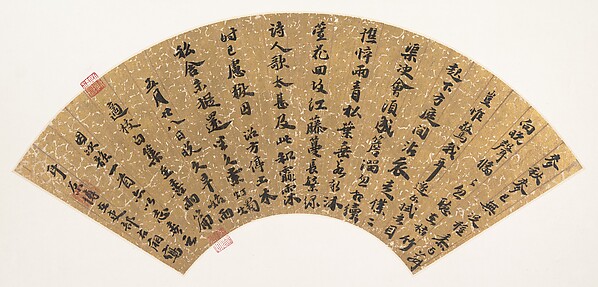
The Source Pair Behind The Theme
This block uses Analects and Tao Te Ching, Analects 4.24 and Tao Te Ching 24 as the anchor, with "《論語》:君子欲訥於言而敏於行。《道德經》:企者不立;跨者不..." kept in front of the explanation.
Action Before Work Talk: The Analects line does not say silence is always better. It says the junzi wants to be slow in speech and quick in action. In a work setting, the source can test whether commitments, status updates, and persuasive language are running ahead of actual conduct. The ancient line remains useful because it asks for proportion.
Overreach In Laozi: Tao Te Ching 24 gives a bodily image for overreach. Standing on tiptoe does not create stable standing; striding too far does not create real walking. The chapter then turns to self-display and self-assertion. For modern work, the point is not productivity efficiency. It is the instability created by trying to appear taller, faster, brighter, or more certain than the situation supports.
Modern Use With Restraint: A source-respecting page should not claim that ancient texts solve modern workplace problems. They come from different social worlds. What they can do is sharpen questions. Are words outrunning action? Is the effort to stand out making the work less steady? Is self-assertion replacing durable contribution? Those are questions, not universal prescriptions.
Why Slogans Fail Here: If the Analects line becomes talk less, do more, it loses the moral frame of the junzi. If the Laozi line becomes do not overreach, it loses the vivid sequence of tiptoe, overstride, self-display, and self-assertion. The page keeps source images visible so modern application remains connected to the text.
What The Comparison Changes
ancient advice and modern work: Classical Chinese Wisdom with Sources Translation Pressure: Ne is restraint in speech, not muteness. Min is quickness or diligence, not frantic speed. Qi zhe points to someone standing on tiptoe, and kua zhe to someone overstriding. Zi jian and zi shi mark self-display and self-assertion. These terms make the modern work reading concrete instead of motivational.
ancient advice and modern work: Classical Chinese Wisdom with Sources Reader Test: A reader should leave with a question rather than a command. What in my work is speech without action? What is tiptoe standing, overstriding, or self-display? If the page gives only advice, it becomes a slogan. If it gives a source-based diagnostic, it remains honest.
From Advice To Diagnostic: The safest modern use is diagnostic rather than prescriptive. The Analects line can diagnose talk outrunning action. The Tao Te Ching line can diagnose overreach, self-display, and unstable striving. Diagnosis keeps the reader from pretending an ancient source has issued direct workplace policy. It also lets the source challenge habits without being turned into a productivity system.
Reader Check For Modern Use: A reader should be able to write a modern application with a boundary sentence. For example: this passage can help me question speech before action, but it does not settle every communication problem. If the application has no boundary, it is probably becoming a slogan. If it has a source anchor and a boundary, it can remain useful.
Keep the term set visible here: ne, min, xing. The reading changes if one of these terms is translated too smoothly.
The reading should end in one practical move: After ancient advice and modern work: Classical Chinese Wisdom with Sources, read Virtue Without Display for the primary source anchor, then Government By Example for contrast; decide whether ne belongs to a quote, chapter, term page, or reading habit before following the theme further.