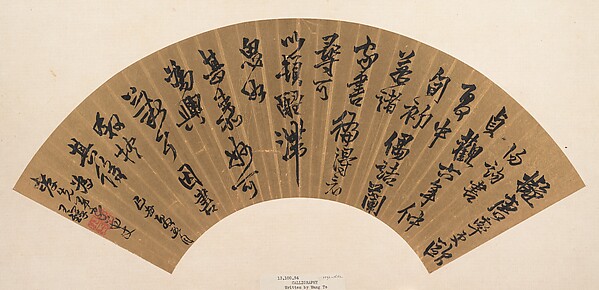
The Chapter's Opening Move
This block uses Tao Te Ching, Chapter 9 as the anchor, with "持而盈之,不如其已;揣而銳之,不可長保。金玉滿堂,莫之能守;..." kept in front of the explanation.
Filling Past The Limit: Chi er ying zhi begins with the danger of holding and filling. The phrase suggests continuing to fill what is already being held. Laozi's response is not to praise emptiness in the abstract but to say it is better to stop. The page keeps this practical limit visible: the problem is not having a vessel, but refusing to recognize when enough has become too much.
Too Sharp To Keep: Chuai er rui zhi shifts from fullness to sharpness. A blade or point made too sharp cannot be preserved for long. This image belongs with chapter 4's blunting of sharpness, but chapter 9 makes the danger more direct. Excessive edge is unstable. A reader should not reduce the line to be less ambitious; the source says over-sharpened advantage invites loss.
Gold And Jade: Jin yu man tang gives the wealth image: gold and jade filling the hall. The point is not that beautiful materials are evil. It is that a hall full of treasure cannot be guarded. Hoarded value creates exposure. The page reads the line as a practical warning about accumulation and vulnerability rather than a simple rejection of possessions.
Wealth, Rank, And Pride: Fu gui er jiao names the sharper moral risk: wealth and rank joined to arrogance. The fault is not only external danger; it is self-produced. Zi yi qi jiu says one leaves or bequeaths blame to oneself. This keeps the chapter from sounding like bad luck. The danger grows from a posture of fullness, sharpness, and pride.
Contrast And Reversal Inside The Chapter
Withdrawal After Completion: Gong sui shen tui is the chapter's practical close. When the work is completed, the person withdraws. This does not mean abandoning responsibility before the work is done. It means not turning completion into self-display or permanent occupation of the center. The line is about timing and restraint after success.
The Way Of Heaven: Tian zhi dao, the Way of Heaven, gives the closing line its scale. Withdrawal after completion is not merely a clever social move. It follows a larger pattern in which fullness turns, sharpness dulls, and display invites reversal. The page keeps this cosmological frame so the chapter is not flattened into career advice about staying humble.
What Not To Quote Alone: The gold-and-jade line is memorable, but quoting it alone can make the chapter sound like moralizing about wealth. The full sequence matters: filling, sharpening, treasure, pride, blame, completion, withdrawal. A careful citation should explain which stage it is using. Otherwise the chapter becomes a loose proverb instead of a source-based warning about limits.
Tao Te Ching Chapter 9: Fullness And Danger Explained Reading Payoff: This page differs from knowing enough because chapter 9 shows what happens after excess is already underway. It differs from chapter 7 because the withdrawal here follows completed work, not the sage's lastness before the work. The article gives readers a source-safe chapter 9 explanation without turning it into generic minimalism.
Keep the term set visible here: ying, rui, jin yu. The reading changes if one of these terms is translated too smoothly.
The reading should end in one practical move: Compare this page with knowing enough and chapter 4 before using fullness as a general life lesson.