The Chapter's Opening Move
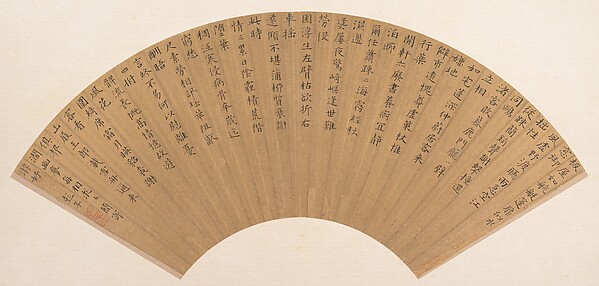
This block uses Tao Te Ching, Chapter 30 as the anchor, with "以道佐人主者,不以兵強天下,其事好還。師之所處,荊棘生焉。大..." kept in front of the explanation.
Assisting A Ruler: Yi dao zuo ren zhu zhe frames the chapter politically. The question is how someone who uses Dao assists a ruler. The answer begins negatively: not by using arms to strengthen the world. This makes chapter 30 a text about counsel, power, and restraint, not only private ethics.
Not Strengthening By Arms: Bu yi bing qiang tian xia criticizes using weapons to become strong under heaven. The issue is not simply the existence of weapons; it is using military force as a means of self-strengthening. The page keeps qiang, strength or force, visible because the chapter later warns that over-strong things age and end early.
Consequences Return: Qi shi hao huan says such affairs like to return. Violence is not contained at the moment of victory. It comes back through consequences. This line gives the chapter its causal logic: force is not a clean instrument. It creates conditions that return to the one who deploys it.
Contrast And Reversal Inside The Chapter
Brambles And Bad Years: Where armies are stationed, thorns and brambles grow. After a great army, there must be a bad year. These images are concrete and ecological. The damage is not only battlefield defeat. War leaves ruined land, disrupted farming, and bad seasons. The page keeps these images visible to avoid abstracting the chapter into generic peace talk.
Decisive And No More: Shan zhe guo er yi says the good person is decisive and that is all. Guo can be read as achieving the result or acting decisively. The line allows necessary action, but only to the required limit. It rejects taking strength from the event or turning necessity into glory.
No Pride In Success: Guo er wu jin, guo er wu fa, guo er wu jiao repeats the warning after decisive action: do not self-exalt, do not boast, do not become arrogant. The repetition matters. Laozi knows that even necessary success can become a new source of danger when the actor turns it into status.
Keep the term set visible here: bing, hao huan, guo. The reading changes if one of these terms is translated too smoothly.
Reader Limit For Modern Use
Necessary, Not Forceful: Guo er bu de yi, guo er wu qiang says decisive action may be unavoidable, but it must not become forceful excess. This is the chapter's practical boundary. It is not pacifism stated as an absolute rule; it is a severe warning that necessity must not become appetite for strength.
Over-Strong Grows Old: Wu zhuang ze lao says things that become over-strong grow old. Over-strength is already decline. Shi wei bu dao names that as not Dao, and not-Dao ends early. The page reads this as a life cycle of coercive power: the moment it swells into excess, it has already started aging.
Tao Te Ching Chapter 30: Weapons As Unlucky Tools Explained Reading Payoff: This page differs from chapter 29 because chapter 29 treats the world as a sacred vessel that cannot be forced, while chapter 30 focuses on military force and its returning consequences. It differs from chapter 24 because chapter 24 criticizes self-display; chapter 30 criticizes force that becomes strength-seeking. The article gives readers a source-safe anti-war reading without erasing the chapter's narrow allowance for unavoidable decisiveness.
The reading should end in one practical move: Compare this page with chapter 29 and chapter 24 before using Laozi as a simple anti-war slogan.