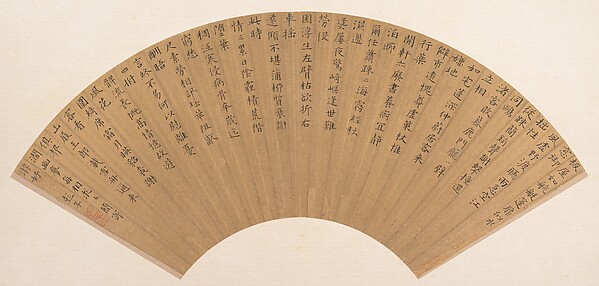
The Chapter's Opening Move
This block uses Tao Te Ching, Chapter 22 as the anchor, with "曲則全,枉則直,窪則盈,敝則新,少則得,多則惑。是以聖人抱一..." kept in front of the explanation.
Bent Then Whole: Qu ze quan gives the chapter its main paradox: bent, then whole. The page keeps the grammar terse because the original does. The line is not a sentimental claim that suffering automatically improves people. It says that yielding can preserve wholeness where rigid straightness would break.
Crooked, Hollow, Worn: Wang ze zhi, wa ze ying, and bi ze xin extend the reversal pattern. Crooked becomes straight, hollow becomes filled, worn becomes new. These are not random opposites. Each one shows that what appears deficient can become the condition for restoration. The chapter teaches a way of seeing reversal inside apparent lack.
Little And Much: Shao ze de, duo ze huo closes the opening chain with quantity. Little gains, much becomes confused. This line keeps chapter 22 from becoming only a physical metaphor. It also concerns desire, knowledge, possession, and social ambition. Too much can scatter attention until the reader loses the one thing that matters.
Contrast And Reversal Inside The Chapter
Embracing The One: Shi yi sheng ren bao yi wei tian xia shi says the sage embraces the one and becomes a pattern for the world. Bao yi is not a decorative mystical phrase. It explains how the earlier reversals hold together. The sage does not chase many displays; by holding one, the sage becomes a model.
No Self-Display: Bu zi xian gu ming says not self-displaying, therefore bright. The brightness comes precisely because it is not forced into visibility. This reverses ordinary status logic. The page keeps self-display separate from genuine clarity so readers do not mistake public exposure for insight.
No Self-Assertion: Bu zi shi gu zhang and bu zi fa gu you gong reject self-assertion and self-boasting. The result is distinction and merit, but not because the sage advertises them. The chapter's logic is consistent: what is not seized can return more fully than what is grabbed and performed.
Keep the term set visible here: qu, bao yi, bu zheng. The reading changes if one of these terms is translated too smoothly.
Reader Limit For Modern Use
No Contention: Fu wei bu zheng, gu tian xia mo neng yu zhi zheng is the non-contention line. Nothing can contend with the sage because the sage has not entered the contest in the expected way. This is not a trick for winning arguments. It is a shift out of the prestige economy that creates contest.
Old Saying Confirmed: The closing line returns to the old saying: bent then whole. Qi xu yan zai asks whether it could be empty words. The chapter answers by returning wholeness to the one who truly follows it. That ending makes the opening paradox a tested saying, not an isolated clever phrase.
Tao Te Ching Chapter 22: Yielding And Completion Explained Reading Payoff: This page differs from chapter 8 because chapter 8 uses water as a model of low benefit, while chapter 22 uses a chain of reversals and self-restraint. It differs from chapter 19 because chapter 19 cuts away display; chapter 22 shows how non-display becomes brightness, merit, endurance, and non-contention. The article gives readers a source-safe explanation of yielding without reducing it to passivity.
The reading should end in one practical move: Compare this page with chapter 8 and the non-contending quote page before using yielding as a generic flexibility slogan.