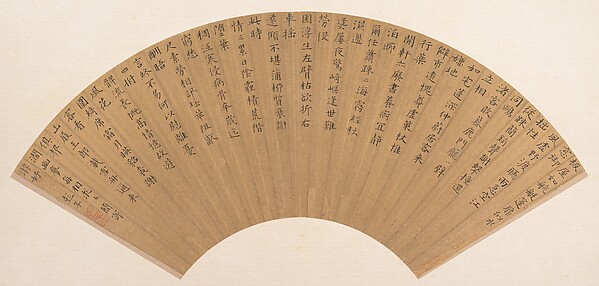
The Chapter's Opening Move
This block uses Tao Te Ching, Chapter 10 as the anchor, with "載營魄抱一,能無離乎?專氣致柔,能嬰兒乎?滌除玄覽,能無疵乎..." kept in front of the explanation.
Carrying Body And Spirit: Zai ying po bao yi is difficult because it uses older language for embodied life. The page translates cautiously as carrying the bodily soul and embracing the One. The question is not an anatomy lesson. It asks whether divided life can be held together without separation. That makes chapter 10 a cultivation chapter before it becomes a governance chapter.
Breath And Infant Softness: Zhuan qi zhi rou asks whether concentrated breath can reach softness like an infant. The infant image should not be sentimentalized. In Laozi, infancy often names unforced vitality before hardened distinction. The page keeps qi, softness, and infant together so the line is not reduced to breathing advice or a wellness instruction.
Cleansing The Mysterious View: Di chu xuan lan, cleansing the mysterious view or mirror, asks whether perception can be free of flaw. English versions vary because xuan lan is hard. The page does not pretend the phrase is settled. It explains the reading boundary: the line concerns inward clarity, not ordinary visual inspection. That caution is part of the page's value.
Loving People And Governing: Ai min zhi guo brings the chapter into public life. Can one love the people and govern the state while being without clever knowing? The question does not reject care for people. It challenges a mode of rule that tries to dominate through cleverness. This keeps chapter 10 connected to earlier non-forcing governance without copying chapter 3's argument.
Contrast And Reversal Inside The Chapter
Being Female At The Gate: Tian men kai he, neng wei ci hu asks whether, when the gates of heaven open and close, one can be female or receptive. The page keeps the gendered image because replacing it with passive would hide the source. At the same time, it avoids claiming that the line is a simple statement about women. It is an image of receptive capacity within change.
Understanding Without Grasping: Ming bai si da, neng wu zhi hu asks whether broad clarity can avoid possessive knowing. The line follows questions about body, breath, perception, rule, and receptivity. Its point is not ignorance. It is clarity that does not harden into controlling cleverness. This is why the page resists translating every zhi in the chapter as ordinary knowledge without explanation.
Mysterious Virtue: The closing sequence defines xuan de, mysterious virtue: give life, nourish, generate without owning, act without relying on it, lead or grow without ruling as master. These lines are the chapter's answer to the earlier questions. Mysterious virtue is not a mood. It is generative action without possession, credit-claiming, or domination.
Tao Te Ching Chapter 10: Carrying Body And Spirit Explained Reading Payoff: This page differs from hidden virtue because it follows the whole chain of chapter 10 questions before the final definition. It differs from chapter 6 because female imagery here belongs to cultivation, gates, and rule, not the valley root of heaven and earth. The article gives readers a source-safe chapter 10 explanation without flattening it into meditation technique.
Keep the term set visible here: bao yi, ying er, xuan lan. The reading changes if one of these terms is translated too smoothly.
The reading should end in one practical move: Compare this page with hidden virtue and the mysterious female before using chapter 10 as a meditation quote.