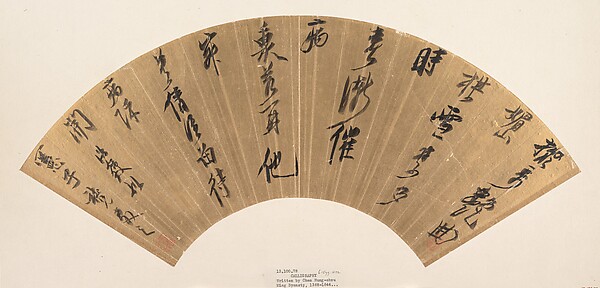
Analects Scene Before The Motto
This block uses Analects, Book 1.12, Xue Er as the anchor, with "有子曰:「禮之用,和為貴。先王之道,斯為美。小大由之,有所不..." kept in front of the explanation.
Youzi As Speaker: The passage is spoken by Youzi, not introduced with the Master said formula. It still belongs to the Analects and to the Confucian teaching world, but a careful citation should not hide the speaker. This matters because the line is often quoted as if it were a freestanding Confucius slogan.
Ritual In Use: Li zhi yong means the use or working of ritual. Li is not only ceremony; it is patterned conduct, role, measure, and social form. The page keeps ritual in the translation because the harmony praised here is not unstructured friendliness.
Harmony Is Valued: He wei gui says harmony is valued. The line can sound gentle, but it is set inside ritual practice. Harmony is important because ritual should not become dry formality, yet harmony by itself is not enough to guide conduct.
Former Kings: Xian wang zhi dao points to the way of the former or ancient kings. The phrase invokes a classical model of order. The passage is not asking readers to imitate antiquity vaguely; it identifies a feature of that model: harmony formed through ritual measure.
Conduct, Role, And Key Terms
Small And Great Matters: Xiao da you zhi says that small and great matters followed this. The scope is broad, but the next phrase adds a limit: there are cases where it does not work. That tension keeps the passage from becoming absolute.
Harmony Needs Measure: Zhi he er he, bu yi li jie zhi is the heart of the warning. To know harmony and simply pursue harmony without using ritual to regulate it is also unworkable. The ancient-kings line therefore teaches disciplined harmony, not agreement at any cost. This is the part many short quote pages omit, but it is the part that makes the passage Confucian rather than merely pleasant.
Analects The Way Of The Ancient Kings Citation Limit: A careful citation should include the warning clause, not only harmony is valued. If the quote is used for leadership, family, or diplomacy, the reader should explain that harmony must be shaped by li. Otherwise the source can be flattened into a soft consensus line. The page also names Youzi because the passage is an Analects teaching scene, not a direct sentence from Confucius's mouth.
Analects The Way Of The Ancient Kings Reading Payoff: This page differs from respectful disagreement because it explains how harmony needs ritual measure, not only how the gentleman can be harmonious without sameness. It differs from ritual as practice because it centers the former-kings model. The article gives readers a source-safe ancient-kings quote without turning harmony into empty agreement.
Keep the term set visible here: li, he, xian wang. The reading changes if one of these terms is translated too smoothly.
How To Cite The Saying
Analects The Way Of The Ancient Kings Source Checkpoint: Keep the speaker, respondent, and Analects book number in view: Analects, Book 1.12, Xue Er, opening with "有子曰:「禮之用,和為貴。先王之道,斯為美。小大由之,有...". Keep li beside the Chinese wording before accepting the readable English. On this page the source anchor is doing real work: it tells the reader where the claim begins, which phrase is being interpreted, and why the explanation should stay narrower than a later proverb or author label.
Analects The Way Of The Ancient Kings Reader Decision: The practical decision is whether the reader can test whether the English still preserves conduct, relation, and role. Compare li with he, then ask which English phrase compresses the most. That check blocks the common mistake of flattening Confucius into a one-sentence ethics poster; it also gives the page a finish line, so the reader leaves with a source habit rather than a smoother slogan.
The reading should end in one practical move: Compare this page with respectful disagreement before using harmony as a generic consensus claim.