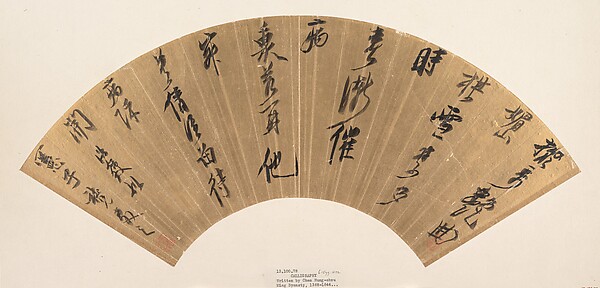
Analects Scene Before The Motto
This block uses Analects, Book 1.2, Xue Er as the anchor, with "有子曰:「其為人也孝弟,而好犯上者,鮮矣;不好犯上,而好作亂..." kept in front of the explanation.
Youzi, Not A Direct Master Saying: The speaker is Youzi, one of the disciples associated with the early Analects. That matters for citation. The page treats the passage as an Analects teaching in the Confucian tradition, but it does not pretend the words are introduced with the usual the Master said formula.
Filial And Fraternal Conduct: Xiao and di name conduct toward parents and elder brothers or older kin. The passage begins in close relationships because those relations are the earliest training ground for attention, deference, and obligation. It is not yet talking about abstract politics.
From Home To Disorder: The middle of the passage connects home conduct to public disorder. The claim is cautious in structure: those who practice xiao and di are rarely fond of offending those above, and someone not fond of offending superiors is not likely to delight in rebellion. The point is formation, not mere obedience.
Working At The Root: Junzi wu ben says the gentleman works at the root. Ben is a root or foundation. The page keeps this image because the passage is not only about family behavior. It asks where moral and social order begin to grow. The root image also warns against reading public order only from the top down; the passage looks for habits that make order possible before command is needed.
Conduct, Role, And Key Terms
Root Of Ren: Xiao di ye zhe, qi wei ren zhi ben yu says filial and fraternal conduct is perhaps the root of ren. The final yu softens the assertion. The line should not be read as a complete definition of ren, but as a claim about one important beginning.
Not Family Absolutism: A shallow reading turns this passage into obey your family and the state will be fine. That is too blunt. The Analects line is more about training the habits from which humane conduct can grow. It does not remove the need for judgment, learning, ritual, or public responsibility.
Analects Home And State Citation Limit: A careful citation should name Youzi and the root metaphor. If the quote is used for family ethics, the reader should also explain that the passage moves from home practice toward ren and order. Without that frame, the saying can sound like a simple hierarchy slogan.
Analects Home And State Reading Payoff: This page differs from loyalty and reciprocity because it begins with family roles rather than zhong and shu as a one-thread explanation. It differs from governing by virtue because the public order question is approached through roots in close conduct. The article gives readers a source-safe way to connect home and state without flattening the passage into obedience.
Keep the term set visible here: xiao, di, ben. The reading changes if one of these terms is translated too smoothly.
The reading should end in one practical move: Compare this page with loyalty and reciprocity before using home ethics as a public-order claim.