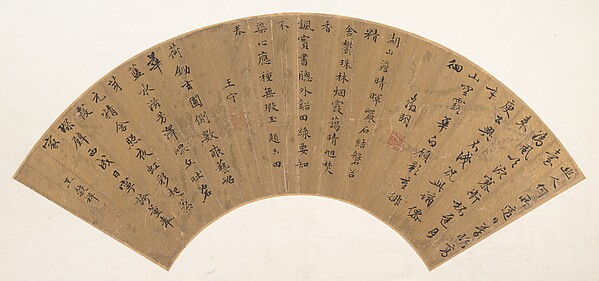
One Passage Before The Concept
This block uses Tao Te Ching, Chapter 45 as the anchor, with "躁勝寒,靜勝熱,清靜為天下正。" kept in front of the explanation.
Chapter 45 Anchor: This concept page uses Tao Te Ching chapter 45 because the line gives qingjing a concrete argumentative setting. The chapter contrasts apparent incompleteness, fullness, straightness, skill, and speech before ending with heat, cold, stillness, and order.
Qing And Jing: Qing suggests clarity, cleanness, or being free of muddiness. Jing suggests stillness or quiet. Together, qingjing is not merely silence. It is a clear and settled condition, one in which disorderly heat, hurry, and display no longer drive action.
Agitation And Heat: The line pairs zao, agitation, with han, cold, and jing, stillness, with re, heat. This does not read like a medical claim. It is a moral and political image: excess has a temperature, and stillness can answer it without copying its noise.
Tianxia Zheng: The final phrase says qingjing becomes zheng for tianxia, the world under heaven. Zheng can mean correct, proper, or ordering. The passage therefore moves from inner quality to public consequence, but it does so through restraint rather than command.
Neighboring Terms And Translation Pressure
Not Mere Quiet: Quiet alone is too weak a gloss. A person or ruler could be silent while still confused, calculating, or oppressive. Qingjing requires clarity as well as stillness. The page keeps both halves visible so the term does not become a decorative word for being calm.
Relation To Wu Wei: Qingjing belongs near wu wei because both resist forceful display. But the terms are not identical. Wu wei names non-forcing action; qingjing names a clear settled condition that can make non-forcing order possible. Reading them together helps without collapsing one into the other.
Why Order Follows Stillness: The final claim can sound surprising because the passage moves from inner stillness to tianxia, the whole public world. The bridge is excess. If heat, noise, and agitation drive action, order becomes reactive. Qingjing works by cooling that excess first, so the world is not corrected by louder force but by a steadier condition.
Qingjing Translation Limit: Clear stillness is a working translation, not a claim that qingjing has only one English equivalent. Quietude, purity, or clarity may fit different passages. Here the heat-and-order line makes clear stillness the most useful phrase for the reader.
Keep the term set visible here: qingjing, qing, jing. The reading changes if one of these terms is translated too smoothly.
Where The Concept Should Stop
Qingjing Reader Test: A strong explanation of qingjing should be able to explain why heat and order appear in the same sentence. If the page only says be calm, it has missed the movement from agitation to stillness and from stillness to public ordering.
Qingjing Reading Payoff: This page differs from generic calmness pages because it anchors qingjing in Tao Te Ching chapter 45. It differs from wu wei pages because clear stillness is the focus. The article gives readers a source-safe concept entry for qingjing as clarity that cools excess.
The reading should end in one practical move: Compare this page with wu wei and ziran before translating qingjing as calmness alone.