Source Line And Chapter Pressure
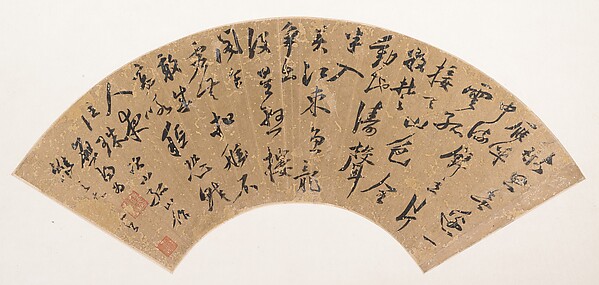
This block uses Tao Te Ching, Chapter 17 as the anchor, with "太上,下知有之;其次,親而譽之;其次,畏之;其次,侮之。悠兮..." kept in front of the explanation.
Leadership Scale: The passage is built as a scale. Love and praise are not the top condition; they are already a step below the quietest form of rule.
Valuing Few Words: Gui yan means valuing words or being sparing with speech. The page keeps this detail because quiet leadership is not just low visibility; it is restraint in verbal display.
The People Speak Last: The final voice belongs to the people. They say wo ziran, which shifts attention away from the ruler and toward the lived experience of order.
Not A Praise Manual: The passage should not be used as a quick management quote about being humble. It is a political and rhetorical claim about how rule can avoid claiming ownership.
Where The Laozi Reading Turns
Laozi Quiet Leadership Translation Limit: Natural is too smooth for ziran if it hides the phrase's sense of self-so or of-itself. The readable translation explains the idea without pretending there is only one English equivalent.
Modern Use: Use this passage for leadership writing only when the hierarchy is preserved: unseen, praised, feared, despised. Otherwise it becomes a vague endorsement of quiet personality.
Laozi Quiet Leadership Reader Test: A careful reader should be able to explain why praise is not Laozi's highest form of leadership in this chapter.
Why Praise Is Second Best: The surprising part of chapter 17 is that loved and praised leadership is not the highest form. A popular leadership article might stop at humility, but Laozi's order is sharper: the best ruler is known only enough for the people to live under the order. Praise still makes the ruler too central. This page keeps that hierarchy visible because it changes the modern application.
Keep the term set visible here: tai shang, gui yan, gong cheng. The reading changes if one of these terms is translated too smoothly.
How Far To Carry The Quote
Ziran At The End: Ziran is the final pressure point. If it is translated simply as naturally, the passage can sound like events happened by accident. Here the line points to a social experience: the people say the completed work is ours, or it happened of itself. The page keeps the term visible so readers do not mistake quiet leadership for absence of leadership.
Speech And Authority: The clause about valuing words is not an ornament. It tells readers that the ruler's quietness includes speech restraint. Too many claims, announcements, and self-praising explanations would break the ideal. This is why the readable translation does not describe a silent ruler, but a form of authority that avoids making itself the center of the finished work.
Modern Boundary: The passage can be useful for leadership, teaching, facilitation, or public service writing, but only with limits. It should not be used to excuse invisibility when responsibility is needed. Laozi's point is not that leaders should disappear from accountability; it is that successful order does not need constant self-advertisement.
Laozi Quiet Leadership Reading Payoff: The page adds the four-level leadership ladder and the final ziran test. That makes it different from a quote page that merely says quiet leaders are best. A reader can now ask which level a modern example resembles: barely noticed, praised, feared, or despised.
The reading should end in one practical move: Compare chapter 17 with a wu wei page before calling Laozi's leadership merely quiet or humble.