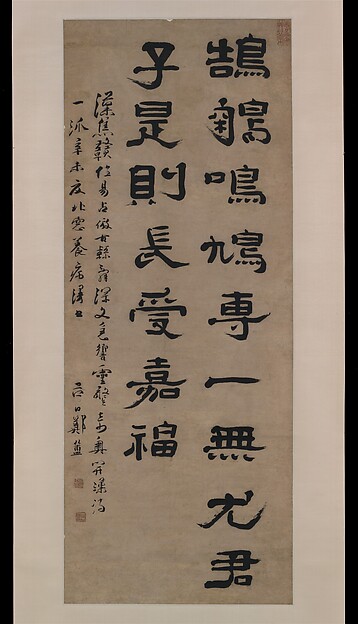
Analects Scene Before The Motto
This block uses Analects, Book 1.1, Xue Er as the anchor, with "子曰:「學而時習之,不亦說乎?有朋自遠方來,不亦樂乎?人不知..." kept in front of the explanation.
The Opening Of The Analects: Analects 1.1 is not just one famous quote. It opens the collection with three questions. The joy of learning is the first, but the passage immediately widens to friends, recognition, and the gentleman's composure.
Learning And Practicing: Xue er shi xi zhi joins learning with repeated practice. Xi can suggest practice, rehearsal, or revisiting what has been learned. The pleasure comes from learning becoming lived and returned to, not from collecting information once. Shi, at due times, also matters. The passage imagines learning that ripens through return, timing, and use, rather than a single moment of understanding.
Pleasure And Joy: Bu yi yue hu asks whether this is not a pleasure. Later, you peng zi yuan fang lai uses le for joy when friends come from afar. The page keeps these terms distinct enough to show that the passage moves from inward practice to shared learning.
Friends From Afar: The second question matters for a learning page. Friends arriving from distant places suggests recognition, community, and shared practice. Learning in the Analects is not sealed inside private improvement; it becomes visible in relationships. The friend is not a decoration after study. The arrival of someone who shares the way tests whether learning can become hospitality, conversation, and mutual practice.
Conduct, Role, And Key Terms
Unknown And Not Resentful: The third question is often dropped, but it changes the tone. The gentleman remains unresentful when others do not know him. Learning therefore includes emotional steadiness when recognition does not arrive. That final line prevents the page from treating joy as constant praise or social success. The learned person can continue the practice even when unseen.
Not A Study Hack: A shallow reading uses the first line as a pleasant quote about enjoying study. The full passage is more demanding. Practice must be repeated, friendship must be welcomed, and lack of recognition must not turn into resentment.
Analects The Joy Of Learning Citation Limit: A careful citation can quote the first line for the joy of learning, but should not hide that it opens a three-part passage. The strongest use explains that pleasure in practice belongs with companionship and the gentleman's composure.
Analects The Joy Of Learning Reading Payoff: This page differs from reviewing the old because it focuses on repeated practice and joy, not old knowledge becoming new insight. It differs from teaching without weariness because the emphasis is the learner's opening rhythm. The article gives readers a source-safe explanation of learning joy without cutting it away from friends and non-resentment.
Keep the term set visible here: xue, xi, yue. The reading changes if one of these terms is translated too smoothly.
How To Cite The Saying
Analects The Joy Of Learning Source Checkpoint: Keep the speaker, respondent, and Analects book number in view: Analects, Book 1.1, Xue Er, opening with "子曰:「學而時習之,不亦說乎?有朋自遠方來,不亦樂乎?人...". Keep xue beside the Chinese wording before accepting the readable English. On this page the source anchor is doing real work: it tells the reader where the claim begins, which phrase is being interpreted, and why the explanation should stay narrower than a later proverb or author label.
Analects The Joy Of Learning Reader Decision: The practical decision is whether the reader can test whether the English still preserves conduct, relation, and role. Compare xue with xi, then ask which English phrase compresses the most. That check blocks the common mistake of flattening Confucius into a one-sentence ethics poster; it also gives the page a finish line, so the reader leaves with a source habit rather than a smoother slogan.
The reading should end in one practical move: Compare this page with reviewing the old before using the quote as a simple study slogan.