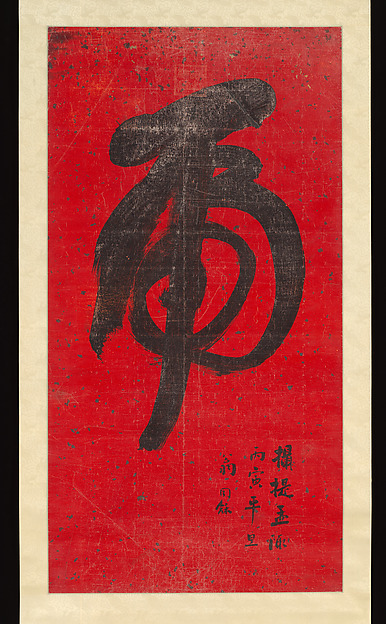
Grammar Before Smooth English
This block uses Analects, Book 15.39, Wei Ling Gong as the anchor, with "子曰:「有教無類。」" kept in front of the explanation.
Wei Ling Gong Location: The sentence appears in Analects Book 15, Wei Ling Gong. It is only four characters after zi yue, so the danger is overexplaining it into a modern program. A careful page should say what the line can support and where the source itself remains compact.
You Jiao: You jiao can be read as there is teaching or there is instruction. The line begins by making teaching present before discussing categories. That order matters because the sentence is not first a theory of social rank. It starts with the fact and availability of instruction.
Wu Lei: Wu lei means without categories, classes, or fixed kinds. Lei is the difficult word. If translated only as class, the sentence can sound narrowly institutional. If translated only as kind, it can sound abstract. The page keeps both possibilities visible because the Analects line is compact.
Teaching Without Sorting: The practical force of the sentence is that the teacher should not sort learners out before teaching begins. It does not say all learners are identical, and it does not erase discipline or effort. It says that category should not be the gate that prevents instruction.
The Pivot Word And Its Neighbor
Not A Modern School System: A weak use turns the sentence into a complete modern educational doctrine. That goes too far. The line can support a broad view of teaching access, but it should not be made to answer every question about curriculum, assessment, institutions, or equal outcomes. Its strength is the opening of instruction across divisions.
You Jiao Wu Lei Translation Limit: This working translation uses categories in the literal layer and social kinds or classes in the explanation. That keeps the sentence from becoming too narrow. The aim is to let readers see how one small word, lei, carries the social edge of the line.
You Jiao Wu Lei Citation Practice: A responsible citation should name Analects 15.39 and avoid adding claims the line does not make. It is safe to say that Confucian teaching is presented here as not confined by fixed categories. It is not safe to use the sentence as proof of every modern claim about schools.
You Jiao Wu Lei Reading Payoff: This page differs from general learning articles because it focuses on access to teaching rather than the learner's practice. It differs from teaching-without-weariness pages because the issue here is category, not endurance. The article gives readers a source-safe way to cite you jiao wu lei without turning four characters into a whole policy platform.
Keep the term set visible here: you, jiao, wu. The reading changes if one of these terms is translated too smoothly.
Use The Sentence With Context
You Jiao Wu Lei Source Checkpoint: Separate grammar from the later English explanation: Analects, Book 15.39, Wei Ling Gong, opening with "子曰:「有教無類。」". Keep you beside the Chinese wording before accepting the readable English. On this page the source anchor is doing real work: it tells the reader where the claim begins, which phrase is being interpreted, and why the explanation should stay narrower than a later proverb or author label.
You Jiao Wu Lei Reader Decision: The practical decision is whether the reader can mark the pivot word before choosing a polished translation. Compare you with jiao, then ask which English phrase compresses the most. That check blocks the common mistake of memorizing the sentence without knowing which word does the work; it also gives the page a finish line, so the reader leaves with a source habit rather than a smoother slogan.
The reading should end in one practical move: Compare this page with learning and teaching-without-weariness pages before using you jiao wu lei as an education motto.