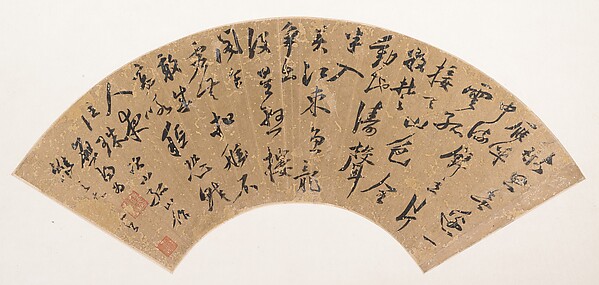
Source Line And Chapter Pressure
This block uses Tao Te Ching, Chapter 19 as the anchor, with "絕聖棄智,民利百倍;絕仁棄義,民復孝慈;絕巧棄利,盜賊無有。..." kept in front of the explanation.
Not Only Rejection: Chapter 19 begins with a series of strong rejections, but this page should not stop there. The final line changes the direction. Laozi does not merely cut away social displays; he gives readers something to belong to: plainness, uncarved simplicity, fewer private claims, and fewer desires. That turn keeps the chapter from becoming anti-learning rhetoric.
Plain And Uncarved: Jian su and bao pu belong together. Su points toward plainness or unadorned appearance; pu points toward the uncarved block or unworked simplicity. The page keeps both because one is visual and ethical, while the other is a deeper image of wholeness before division and public display.
Private Concern And Desire: Shao si and gua yu should be read as a pair. Desire is not treated as an isolated emotion. It is tied to private interest, grasping, and the self's effort to secure advantage. The chapter asks for reduction, not a theatrical claim of having no desire at all.
Laozi Plainness And Desire Later Citation Limit: A careful citation should include both the rejection sequence and the final positive line. Quoting only the rejection can make Laozi sound like he opposes every moral word. Quoting only plainness and desire can make the page sound like ordinary simplicity advice. The chapter needs both movements.
Where The Laozi Reading Turns
Why The Three Rejections Are Not Enough: The line ci san zhe yi wei wen bu zu says the three rejections are not sufficient as patterned teaching. That sentence is crucial. It prevents the page from becoming only a list of things to cut off. The chapter itself says the negative formula is incomplete unless it is joined to a positive belonging.
Belonging To Something: Gu ling you suo shu introduces the turn. Let there be something to which this belongs. The page reads the final line as that anchor. Plainness, uncarved simplicity, reduced private concern, and fewer desires are not random virtues; they are what the earlier rejections need in order to avoid becoming empty negation.
Private Desire, Public Repair: The chapter moves from public terms such as sageliness, wisdom, benevolence, righteousness, craft, and profit to the inward pair of private concern and desire. That movement is part of the page's value. It shows how social repair and personal restraint are connected without pretending they are the same thing.
Laozi Plainness And Desire Reading Payoff: This page gives the plainness-and-desire searcher a chapter-level map: reject overworked public displays, admit those rejections are incomplete, then return to plainness and fewer grasping claims. That is more precise than a generic page about simplicity or desire control.
Keep the term set visible here: jian su, bao pu, shao si. The reading changes if one of these terms is translated too smoothly.
How Far To Carry The Quote
Laozi Plainness And Desire Source Checkpoint: Treat the line as a chapter fragment, not a free-floating motto: Tao Te Ching, Chapter 19, opening with "絕聖棄智,民利百倍;絕仁棄義,民復孝慈;絕巧棄利,盜賊無...". Keep jian su beside the Chinese wording before accepting the readable English. On this page the source anchor is doing real work: it tells the reader where the claim begins, which phrase is being interpreted, and why the explanation should stay narrower than a later proverb or author label.
Laozi Plainness And Desire Reader Decision: The practical decision is whether the reader can compare the quiet wording with the surrounding reversal. Compare jian su with bao pu, then ask which English phrase compresses the most. That check blocks the common mistake of turning Laozi into general calm advice; it also gives the page a finish line, so the reader leaves with a source habit rather than a smoother slogan.
The reading should end in one practical move: Compare chapter 19 with the uncarved-block page before making plainness a simple lifestyle slogan.