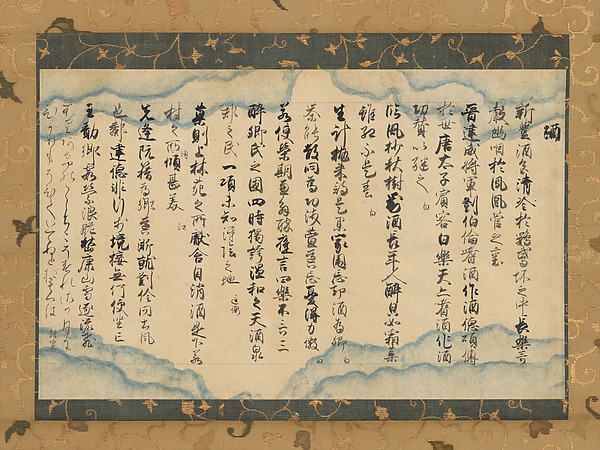
Grammar Before Smooth English
This block uses Analects, Book 12.1, Yan Yuan as the anchor, with "顏淵問仁。子曰:「克己復禮為仁。一日克己復禮,天下歸仁焉。為..." kept in front of the explanation.
Yan Yuan's Question: The passage begins with Yan Yuan asking about ren. That frame matters because ke ji fu li is not a freestanding discipline slogan. It is Confucius's answer to a disciple asking how to understand humaneness. The phrase must therefore be read as a definition of ren in practice.
Ke Ji: Ke ji is often translated as overcoming the self or restraining oneself. Ji is not the whole person as such, but the self as a site of impulses, pride, or private desire that can pull against proper form. The page avoids making the phrase sound like self-hatred. It is disciplined self-mastery.
Fu Li: Fu li means returning to ritual, propriety, or patterned form. Li is not empty ceremony here. It is the shared form through which ren becomes visible and reliable. The phrase joins inward restraint to outward pattern. Without li, ke ji could become private severity rather than humane conduct.
For One Day: Yi ri ke ji fu li gives the sentence urgency. Even one day of this practice is described as having world-order significance. The wording does not mean the whole world magically changes overnight. It magnifies the moral seriousness of beginning from oneself in a concrete day of practice.
The Pivot Word And Its Neighbor
Practicing Ren Comes From Oneself: Wei ren you ji is the passage's responsibility line. Practicing ren comes from oneself, not from other people. This does not deny the value of teachers or ritual community. It means the decisive commitment cannot be outsourced. Yan Yuan must practice, not merely admire the concept.
Common Modern Use: The phrase is sometimes used as a slogan for discipline or social order. That is too narrow. The source answer concerns ren, and li is not a tool for domination. The line asks how self-restraint and ritual form can make humaneness real. A careful use keeps ren, ji, and li together.
Ke Ji Fu Li Citation Practice: A responsible citation should include Analects 12.1 and identify Yan Yuan's question. If only ke ji fu li is quoted, the reader may miss that Confucius is answering what ren is. Include the final responsibility clause when explaining why the phrase is practical rather than merely theoretical.
Ke Ji Fu Li Reading Payoff: This page differs from broad ritual-as-practice articles because it reads the exact Analects 12.1 answer to Yan Yuan. It differs from ren pages because it shows ren through restraint and ritual return rather than only care for others. The article gives readers a source-safe way to cite ke ji fu li without flattening it into discipline alone.
Keep the term set visible here: Yan Yuan, ren, ke ji. The reading changes if one of these terms is translated too smoothly.
Use The Sentence With Context
Ke Ji Fu Li Source Checkpoint: Separate grammar from the later English explanation: Analects, Book 12.1, Yan Yuan, opening with "顏淵問仁。子曰:「克己復禮為仁。一日克己復禮,天下歸仁焉...". Keep Yan Yuan beside the Chinese wording before accepting the readable English. On this page the source anchor is doing real work: it tells the reader where the claim begins, which phrase is being interpreted, and why the explanation should stay narrower than a later proverb or author label.
Ke Ji Fu Li Reader Decision: The practical decision is whether the reader can mark the pivot word before choosing a polished translation. Compare Yan Yuan with ren, then ask which English phrase compresses the most. That check blocks the common mistake of memorizing the sentence without knowing which word does the work; it also gives the page a finish line, so the reader leaves with a source habit rather than a smoother slogan.
The reading should end in one practical move: Compare this page with ren and ritual-as-practice pages before treating ke ji fu li as simple self-control.