Grammar Before Smooth English
This block uses Book of Changes, Kun hexagram, Image Commentary as the anchor, with "地勢坤,君子以厚德載物。" kept in front of the explanation.
Kun Image Line: The sentence belongs to the Kun hexagram's Image Commentary. It should be read beside the Qian line about unceasing self-strengthening. Qian emphasizes heaven's vigorous movement; Kun emphasizes earth's receptive capacity. Hou de zai wu comes from that earth image, not from a detached list of moral slogans.
Di Shi Kun: Di shi kun is difficult to compress. Di is earth, shi is configuration or disposition, and Kun names the hexagram. The opening does not merely say earth is good. It gives an image of earth's bearing quality. The junzi's response grows from that image.
Hou De: Hou de means thick, deep, or generous virtue. Thick is awkward in English, but it keeps the physical metaphor visible. The virtue imagined here has weight and capacity. It is not only moral correctness as a thin rule. It can receive, hold, and support.
Zai Wu: Zai wu means to carry things or bear beings. The phrase points to capacity under burden. Virtue is measured by what it can carry without collapsing into resentment or display. The page keeps this bearing image visible because it is the heart of the line and the reason the earth image matters.
The Pivot Word And Its Neighbor
Junzi As Earth-like: The junzi does not literally become earth. He takes earth's Kun quality as a model for conduct. This is a pattern of image reading: observe a cosmic or natural configuration, then draw an ethical response. The response here is generous capacity, not domination.
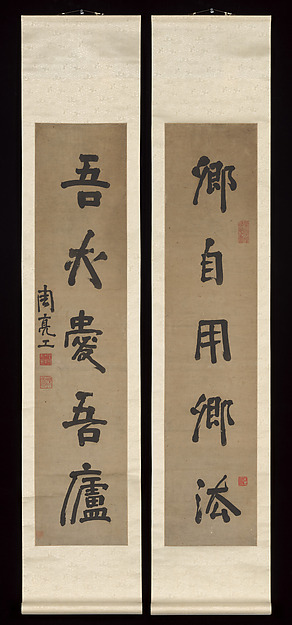
Common Modern Use: Hou de zai wu is often used on school gates, institutional mottos, and calligraphy. That public use can be meaningful, but it often hides the source frame. The Book of Changes line is about the Kun image and the junzi's carrying capacity. Without that frame, the phrase becomes vague praise. With the frame restored, virtue is tested by what it can bear responsibly.
Hou De Zai Wu Citation Practice: A careful citation should name the Book of Changes, Kun, and the Image Commentary. If space allows, include di shi kun before hou de zai wu. The first half explains why virtue is described as thick and carrying: the phrase arises from earth's receptive configuration.
Hou De Zai Wu Reading Payoff: This page differs from broad virtue articles because it explains hou de through the Kun image rather than as an abstract moral quality. It differs from zi qiang bu xi because the model here is receptive bearing, not heaven-like vigorous movement. The article gives readers a source-safe way to cite hou de zai wu with its earth image intact.
Keep the term set visible here: di shi, kun, junzi. The reading changes if one of these terms is translated too smoothly.
Use The Sentence With Context
Hou De Zai Wu Source Checkpoint: Separate grammar from the later English explanation: Book of Changes, Kun hexagram, Image Commentary, opening with "地勢坤,君子以厚德載物。". Keep di shi beside the Chinese wording before accepting the readable English. On this page the source anchor is doing real work: it tells the reader where the claim begins, which phrase is being interpreted, and why the explanation should stay narrower than a later proverb or author label.
Hou De Zai Wu Reader Decision: The practical decision is whether the reader can mark the pivot word before choosing a polished translation. Compare di shi with kun, then ask which English phrase compresses the most. That check blocks the common mistake of memorizing the sentence without knowing which word does the work; it also gives the page a finish line, so the reader leaves with a source habit rather than a smoother slogan.
The reading should end in one practical move: Compare this page with zi qiang bu xi and self-cultivation pages before using hou de zai wu as an institutional motto.